

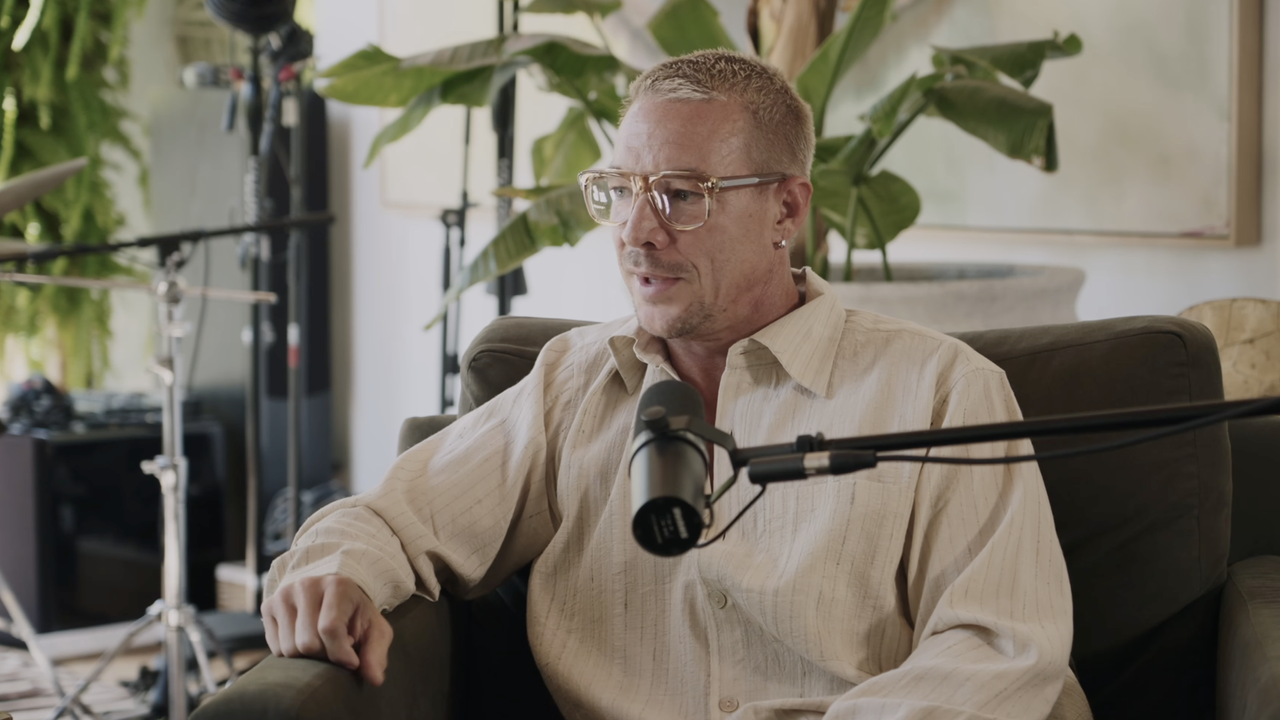
AI is the New Muse: Diplo's Bold Prediction Threatens the Future of Vocals
The music industry is undergoing a seismic shift, and few voices are louder – and more provocative – than Diplo’s. In a recent interview, the producer issued a stark warning to musicians resistant to the rise of Artificial Intelligence (AI) in music creation. He boldly declared that AI now possesses the capability to generate vocals surpassing human performance, effectively rendering traditional singing obsolete. This isn't a hypothetical scenario; Diplo firmly believes AI’s potential to craft compelling vocal performances far outweighs the perceived artistry of human singers, suggesting those clinging to traditional methods should "adapt or just give up and become an Uber driver."
This declaration reverberates throughout the industry, igniting a debate about the very definition of music and the role of the artist in the age of algorithmic composition. Diplo argues that the focus should shift from the human element – the vocal performance – to the overall sonic landscape created by the producer and engineer. He points to the impressive advancements in AI vocal synthesis, allowing for incredibly nuanced and compelling vocal textures without the need for a live vocalist. This isn't about replacing human creativity entirely, but rather, about re-evaluating the artistic process.
The implications for musicians are profound. For decades, the human voice has been a central element of songwriting and performance. From the soulful croons of Frank Sinatra to the raw power of contemporary vocalists, the voice has formed the emotional core of countless hits. Diplo’s assertion suggests this paradigm is fundamentally changing. The ease with which AI can generate compelling vocal tracks unlocks new possibilities for producers, allowing them to focus on crafting innovative arrangements, intricate soundscapes, and groundbreaking sonic textures. This shift frees up creative capital, moving the emphasis from vocal delivery to sonic manipulation and production artistry.
The technical reality fuels Diplo’s conviction. Modern DAW (Digital Audio Workstations) like Ableton Live, Logic Pro X, and FL Studio are increasingly integrated with sophisticated VST (Virtual Studio Technology) plugins. These plugins, often powered by deep learning algorithms, can now synthesize vocals that are remarkably emotive, pitch-perfect, and even mimic the styles of established singers. Coupled with powerful MPC (Mastering & Production Controller) and 808 synthesis capabilities, producers can sculpt entire tracks around AI-generated vocal hooks, creating sonic masterpieces without relying on human vocalists.
However, the debate extends beyond technical feasibility. Skeptics argue that AI-generated vocals, however impressive, lack the soul and emotional depth of a human performance. The subjective nature of artistic value remains a key point of contention. While AI can mimic vocal styles, it cannot replicate the lived experience and unique perspectives that inform human expression. This raises questions about the authenticity and artistic merit of music entirely driven by AI. The challenge lies in finding a balance between embracing the potential of AI and preserving the human element that resonates with listeners.
The rise of AI in music production is far from a new phenomenon. Sampling technology has been at the forefront of this evolution for decades, allowing producers to repurpose and reshape existing sounds. AI is simply a more advanced and sophisticated form of sampling, capable of creating entirely new vocal textures based on vast datasets of existing vocal performances. This doesn’t eliminate the need for skilled producers, but it does fundamentally alter the tools and techniques they utilize. The future of music production will likely involve a collaborative relationship between human producers and AI, leveraging the strengths of both.
Diplo’s warning is not an endorsement of replacing human artists, but rather a call to adapt to a rapidly evolving technological landscape. The music industry is poised for a period of unprecedented innovation, and those who resist change risk being left behind. The shift towards AI-assisted production presents an opportunity for artists to explore new sonic territories, push creative boundaries, and redefine the very essence of what music can be. Whether this evolution ultimately enhances or diminishes the artistry of music remains to be seen, but one thing is certain: the future of music is inextricably linked to the advancement of AI.
Electric Music Observer | 2026


No comments:
Post a Comment