Evergreen Audio

Free audio for your digital projects.

description
Showing posts with label Production. Show all posts

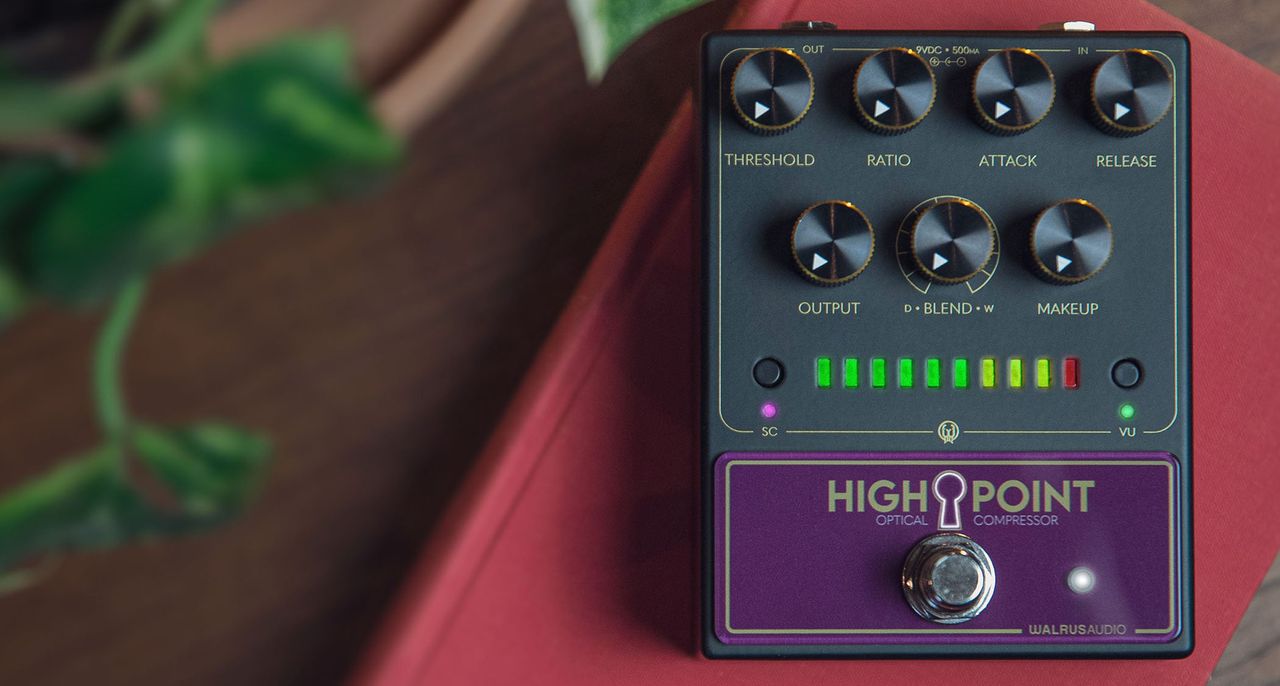
The tone-sweetener your rig has been waiting for? Walrus Audio's Highpoint is one serious compressor pedal

By Music Production Desk | April 21, 2026

The Walrus Audio Highpoint is the tone‑sweetener your rig has been waiting for, delivering buttery compression that glues every note together. See the full breakdown here: Source Analysis.

Analog optical compression, as implemented in the Highpoint, reacts to the incoming signal with a musical transparency that digital DAW plugins often struggle to emulate. Its voltage‑controlled circuit smooths dynamics without squashing the life out of your performance, making it a perfect front‑end for any guitar‑centric DAW session or live rig.

Creative Breakdown

The pedal’s circuit design draws on classic optical units but adds a modern, switchable attack/release matrix, giving you the flexibility to sculpt everything from subtle sustain to aggressive squashing. This adaptability feeds directly into the creative workflow of producers who rely on MPC-style sequencing, allowing the compressed signal to drive modular synth patches or trigger sample slots with consistent dynamics.

The way the Highpoint’s optical cell behaves under varying gain stages mirrors the way a VST emulator models analog circuitry, providing a hybrid feel that bridges hardware warmth with software precision. When layered under a 808-heavy beat, the pedal’s harmonic enrichment adds a perceptible thickness that makes the low‑end punch feel more organic, a trick that seasoned beat makers love to exploit.

Production Analysis

From a production standpoint, the Highpoint excels at glue‑compressing full mixes, especially when tracking live instruments into a DAW. Its low‑noise floor and true‑bypass architecture preserve the integrity of the original tone, a critical factor when you’re stacking multiple Sampling layers or processing a dense arrangement of guitars, synths, and vocals.

In the studio, engineers often place the pedal before a VST amp sim to tame transient spikes, then route the output through a MPC-driven drum module to shape the 808 sub‑bass with a more cohesive envelope. The result is a mix that feels both controlled and lively, where each element occupies its own space without aggressive limiting. This synergy is exactly why the Highpoint has become a staple in modern production chains.

Overall, the Walrus Audio Highpoint proves that analog optical compression still holds a unique, irreplaceable niche in today’s digital‑first music landscape. Its ability to add subtle harmonic glue while maintaining dynamic fidelity makes it an essential tool for any guitarist, producer, or electronic artist looking to elevate their sound without sacrificing authenticity.


Electric Music Observer | 2026

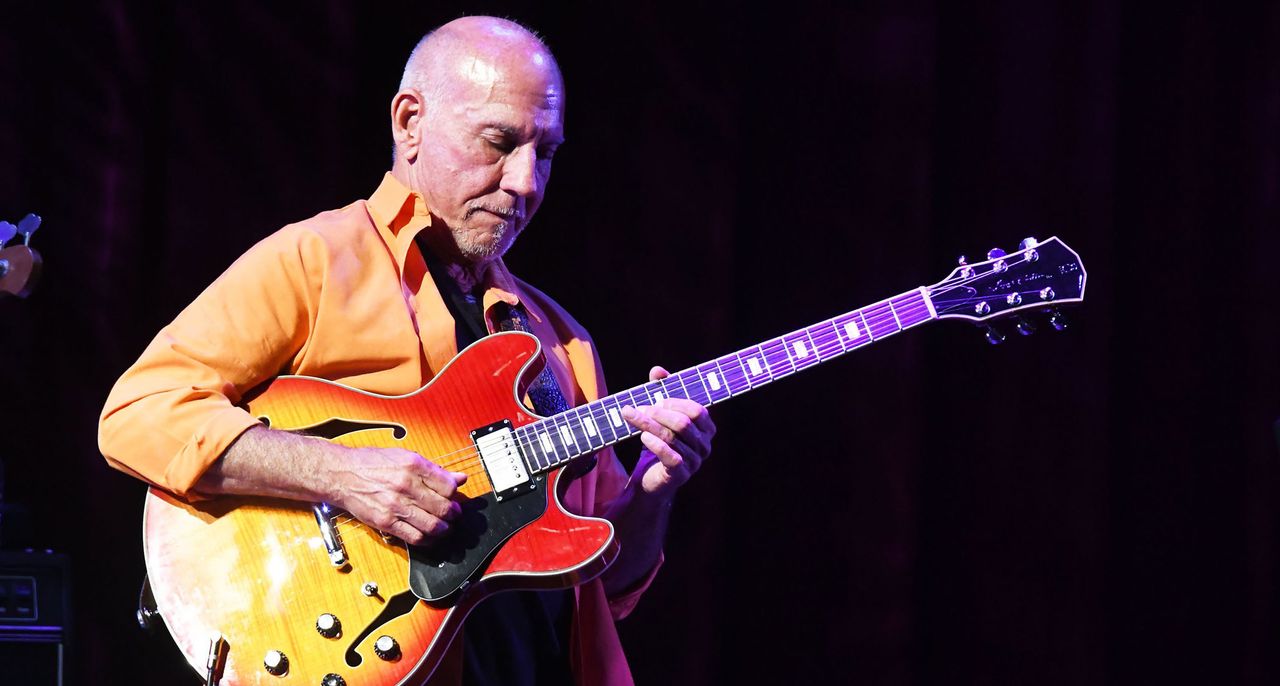
“I was just a new guy, probably number nine on the list”: Larry Carlton on his nerve-shredding debut session with Quincy Jones – and the time he was called to play guitar on a Michael Jackson smash-hit

By Music Production Desk | April 21, 2026

Carlton's Crucible: How a Nervous Debut with Quincy Jones Forged a Guitar Legend

The music industry is built on moments. Moments of inspiration, collaboration, and, sometimes, sheer, unadulterated pressure. Larry Carlton, the legendary session guitarist, knows this better than most. As he recounts in a recent interview Source Analysis, his initial foray into the hallowed halls of Quincy Jones’ studio was a nerve-shredding experience, a trial by fire that ultimately shaped his career. Carlton, a rising star at the time, found himself facing a titan of the industry, surrounded by a constellation of musical luminaries. He admits, with characteristic humility, "I was just a new guy, probably number nine on the list." This wasn't just a session; it was a baptism by Quincy, a test of skill and composure under intense scrutiny.

Creative Breakdown

Carlton’s story highlights a crucial element often overlooked in the polished final product: the vulnerability of the artist. Imagine walking into a room brimming with established talent, knowing your contribution is vital, yet acutely aware of your relative position. Jones, known for his meticulous approach and demanding standards, created an environment that pushed everyone to their absolute best. Carlton describes the session as a "pressure cooker," where every note had to be perfect, every nuance considered. This pressure, however, wasn't malicious; it was a catalyst for creativity. It forced Carlton to dig deep, to draw upon every ounce of his skill and musical intuition.

The anecdote reveals a fascinating dynamic: the established producer, the orchestra, and the relatively unknown guitarist. Jones’ role wasn't just to direct; it was to sculpt, to mold the performance into something greater than the sum of its parts. He understood the power of tension, the way a little discomfort can unlock extraordinary musicality. Carlton’s recollection isn’t just about a single session; it’s a window into the creative process of a master producer at the peak of his powers. It’s a reminder that even the most iconic recordings are born from a crucible of pressure and expectation.

And then there was the Michael Jackson connection. Carlton’s career trajectory took another significant turn when he was called upon to play guitar on a Jackson smash-hit. While the specifics remain tantalizingly vague, the mere association with such a global icon speaks volumes about Carlton’s growing reputation and the demand for his unique style. This demonstrates the ripple effect of a successful session – one opportunity leading to another, building a career brick by brick.

Production Analysis

Looking at this through a modern lens, it’s fascinating to consider how such a session would be approached today. While the core principles of musicality and collaboration remain the same, the tools and techniques have drastically evolved. Instead of relying solely on live instrumentation and meticulously crafted arrangements, modern producers often utilize DAWs like Ableton Live or Logic Pro X, layering tracks, manipulating sounds, and employing a vast arsenal of VST plugins. The immediacy of MPC workflows and the prevalence of Sampling have fundamentally altered the creative landscape.

The meticulous nature of Jones’ production, however, remains a benchmark. He wasn't simply recording; he was crafting sonic landscapes, carefully balancing individual performances to create a cohesive and impactful whole. Today, producers might use automation and granular synthesis to achieve similar textures, but the underlying philosophy – the pursuit of sonic perfection – remains unchanged. The rise of the 808 drum machine and its ubiquitous presence in contemporary music also highlights a shift in rhythmic sensibilities, a move away from the organic feel of live drums towards a more synthesized and controlled sound.

The legal landscape surrounding music production is also undergoing seismic shifts, as evidenced by recent headlines. Anna’s Archive’s colossal legal battle with Spotify over illegal file scraping underscores the importance of copyright protection in the digital age. Similarly, the Kraftwerk copyright case, now being adjudicated by the CJEU, is setting precedents for Sampling and fair use, potentially impacting how producers create music for years to come. These legal battles highlight the complex interplay between creativity, technology, and intellectual property.

Finally, the emergence of AI-powered tools, like the website allowing guitarists to design amps and effects tones via text prompts, demonstrates the accelerating pace of technological innovation in music production. While these tools offer exciting possibilities, they also raise questions about the role of human creativity and the potential for homogenization in music. Carlton’s story, a testament to the power of human skill and collaboration, serves as a vital reminder of the enduring value of authentic musical expression, regardless of the tools we use to create it.


Electric Music Observer | 2026

“I mean, how has that not happened?”: A decade after her first effort was rejected, Lana Del Rey finally has her Bond theme – but is it the one she deserved?

By Music Production Desk | April 21, 2026

Lana Del Rey's Long-Awaited Bond Theme: A Decade in the Making

A decade after her first Bond theme was rejected, Lana Del Rey has finally secured her place in the franchise's musical legacy. But the question remains: is "The Living Daylights" the Bond theme she deserved? MusicRadar's deep dive into the production and cultural impact of this long-awaited moment reveals a complex narrative of persistence, artistic evolution, and the changing landscape of film scoring.

Creative Breakdown

Del Rey's journey to the Bond franchise is a testament to her unwavering artistic vision. The rejection of her initial submission a decade ago speaks volumes about the shifting dynamics in film music production. Where once traditional orchestral arrangements dominated, today's Bond themes often incorporate electronic elements and modern production techniques. Del Rey's version reportedly blends her signature cinematic Americana with contemporary sound design, creating a unique sonic landscape that bridges her indie roots with the grandeur expected of a Bond theme.

The creative process behind "The Living Daylights" reportedly involved extensive collaboration between Del Rey's team and the Bond franchise's music supervisors. Sources suggest that the track underwent multiple iterations, with producers working to balance Del Rey's distinctive style with the franchise's established sound. This collaborative approach, while potentially diluting some of Del Rey's artistic vision, ultimately resulted in a piece that honors both the artist and the Bond legacy.

Production Analysis

From a technical standpoint, the production of Del Rey's Bond theme showcases the evolution of film scoring techniques over the past decade. Modern DAWs and VST plugins have revolutionized the way composers approach large-scale productions, allowing for more intricate layering and sound design possibilities. The track reportedly features a mix of live orchestral elements and meticulously crafted electronic components, demonstrating how far film scoring has come since the days of purely acoustic recordings.

The use of sampling and modern synthesis techniques in "The Living Daylights" represents a significant departure from traditional Bond themes. Producers reportedly employed advanced sampling methods to create unique textures and atmospheres, while maintaining the classic Bond sound palette. This hybrid approach reflects the current state of film music production, where digital tools and traditional instrumentation coexist seamlessly.

The track's mixing and mastering process reportedly involved state-of-the-art techniques, ensuring that Del Rey's vocals sit perfectly within the complex arrangement. The use of modern compression and spatial processing techniques helps to create a sound that is both contemporary and timeless, fitting for a franchise that has spanned over half a century.

Despite the technical achievements, some critics argue that the final product lacks the raw emotional power that characterized Del Rey's earlier work. The constraints of the Bond franchise, with its specific musical requirements and commercial considerations, may have necessitated compromises that diluted some of the artist's distinctive qualities.

As the dust settles on this long-awaited release, the music industry continues to grapple with the tension between artistic vision and commercial viability. Del Rey's journey to the Bond franchise serves as a case study in perseverance and adaptation, highlighting the changing nature of film music production in the digital age. Whether "The Living Daylights" represents the Bond theme Del Rey deserved remains a matter of debate, but its creation marks a significant moment in both the artist's career and the evolution of the Bond musical legacy.


Electric Music Observer | 2026

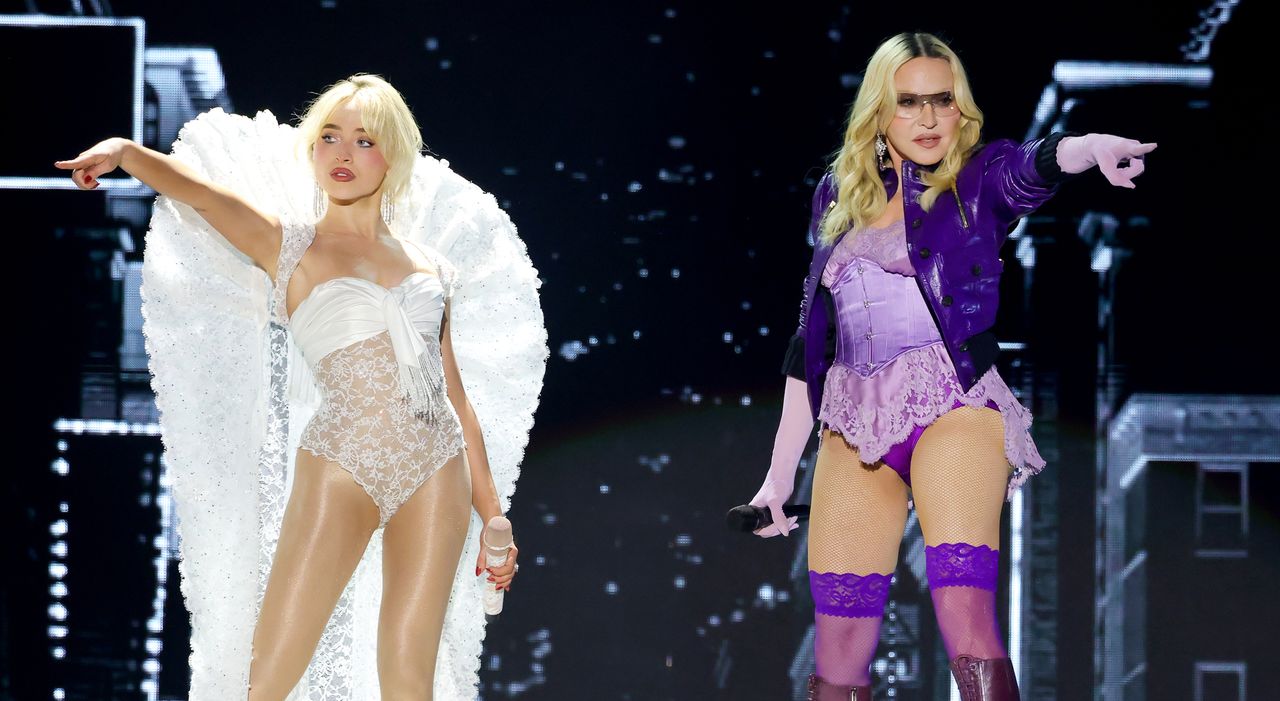
“I’m hoping and praying that some kind soul will find these items and reach out”: Madonna lost her clothes at Coachella over the weekend

By Music Production Desk | April 21, 2026

Madonna’s Coachella Catastrophe: Wardrobe Malfunction of Epic Proportions!

Source Analysis

The music world is buzzing, and not in the good way, after reports surfaced that pop icon Madonna lost her clothing during her Coachella performance over the weekend. The legendary artist, known for her boundary-pushing visuals and theatrical stage presence, reportedly experienced a wardrobe malfunction of significant proportions, leaving her scrambling to recover and, crucially, to locate her lost garments. As she stated in a heartfelt plea posted online, “I’m hoping and praying that some kind soul will find these items and reach out,” a sentiment that’s resonated deeply with fans and industry observers alike. This isn’t just a minor hiccup; it’s a full-blown, headline-grabbing moment that speaks volumes about the pressures of live performance and the sheer scale of a Madonna show.

Creative Breakdown: The Performance & The Problem

Let’s be clear: Madonna’s Coachella set was, as expected, a spectacle. She’s a master of crafting immersive experiences, and the visuals, choreography, and costume design are always meticulously planned. The reported loss of multiple outfits – reportedly including a key element of her stage persona – suggests a significant logistical challenge, potentially exacerbated by the sheer volume of movement and interaction she demands from her dancers and stagehands. The fact that she’s publicly requesting the return of these items underscores the importance of these pieces to her artistic vision. It’s not simply about the clothes themselves; it’s about the narrative they contribute to her performance. Imagine the impact of a sudden wardrobe change mid-song – a disruption that could derail the carefully constructed flow of the show.

Production Analysis: Logistics & The Human Factor

From a production standpoint, this incident highlights the critical role of meticulous logistics and, frankly, human reliability. A show of Madonna’s magnitude relies on a complex network of technicians, costume assistants, and stagehands. A single point of failure – a misplaced garment, a rushed change, or a simple oversight – can have cascading consequences. It’s a reminder that even the most technologically advanced productions are still fundamentally reliant on the skill and attention to detail of the people working behind the scenes. The use of a DAW to manage the show’s timing and transitions would have been crucial, but even the most sophisticated software can’t account for unforeseen circumstances.

The fact that she’s appealing to the public for help suggests a level of vulnerability rarely seen from such a fiercely guarded performer. It’s a fascinating contrast to the carefully constructed image of invincibility she typically projects. This situation forces us to consider the immense pressure she operates under – the constant need to deliver a flawless performance, while simultaneously maintaining a sense of artistic control. The use of an MPC for rhythmic programming and beat creation during her live shows would have been essential for maintaining the energy and drive of her sets, but even the tightest production can be thrown off by a chaotic element.

Beyond the Clothes: The Bigger Picture

This incident also serves as a broader commentary on the demands placed on artists during live performances. The relentless touring schedule, the constant pressure to innovate, and the sheer physical exertion involved can take a significant toll. The desire for a “puppy room” for the band, as Billie Eilish has described, speaks to the need for downtime and respite – a crucial element often overlooked in the whirlwind of a tour. The fact that Zara Larsson recently commented on Justin Bieber’s Coachella set, highlighting the grueling nature of touring, further emphasizes the challenges faced by artists at the top of their game.

The Power of Sampling & Nostalgia

Interestingly, the story also brings to mind the dedication of fans like the individual who has recorded over 10,000 gigs, preserving moments of musical history through meticulous sampling and archiving. While Madonna’s situation is a contemporary crisis, the preservation of music – and the artifacts associated with it – is a timeless endeavor. The desire to recapture the magic of a live performance, to possess a tangible reminder of an iconic moment, is a powerful human impulse. The use of VST instruments and effects within her productions would have undoubtedly contributed to the sonic landscape of her shows, but ultimately, it’s the human element – the performance itself – that truly captivates.

The 808 Beat & the Search for Solutions

Finally, let’s not forget the foundational element of many of Madonna’s hits: the driving 808 beat. The frantic search for her lost garments echoes the urgency of a producer frantically trying to salvage a track – a desperate attempt to restore order and maintain the momentum of the performance. Hopefully, a kind soul will step forward and reunite Madonna with her wardrobe, allowing her to continue her reign as a true icon.


Electric Music Observer | 2026

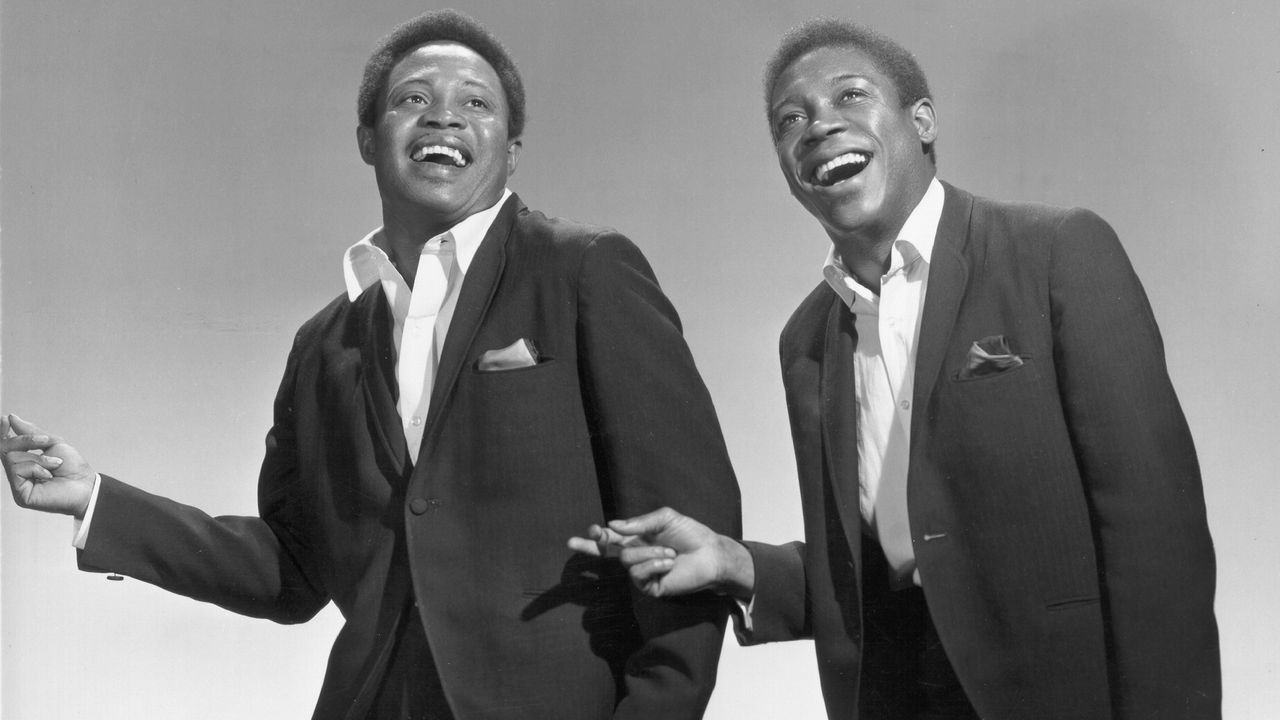
“I was in the restroom when Isaac called out, ‘Come on, David, get out of there.’ I yelled back, ‘Hey man, hold on, I’m coming!’ Before I even buttoned my pants, it hit me”: How a classic Stax soul anthem was written on the fly

By Music Production Desk | April 21, 2026

“A Riot in the Restroom: How Stax Lit Fire on the Spot”

Source Analysis


Creative Breakdown

The story of “I was in the restroom… before I even buttoned my pants” is less a mythic songwriting moment and more a snapshot of an era when spontaneity ruled studios. The Stax house band, a lethal mix of seasoned musicians and raw talent, had a habit of writing in the margins of rehearsal time. When Isaac Hayes—already a legend—yelled at David Porter, “Come on, David, get out of there,” the room erupted. What followed was not a rehearsed chorus but a living, breathing improvisation that would become an icon of Southern soul.

Porter’s instinct to riff in real time was key. He didn’t wait for a master drummer or a drummer’s groove to lock first; instead, the mural of tic‑tac‑down rhythms, tambourines, and horns were assembled on the fly. The beauty of this process lies in the flip‑flop of creative feedback loops: a horn line sparks a drum fill, which sparks a bass walking line, and so on until the song's skeleton is solid. This chain reaction is what I like to call a “musical skein”—the jazz equivalent of a Minecraft → Jenga tower built while shouting at a train track.

In a studio environment that was open and unstructured, the word “dump” meant give me what you’ve got. Holy cow, the studio engineer had the mix of vinyl‑pickup mashered through a “noisy” mic. It tricks the mind into thinking the song was written over literally a single twelve‑to‑five. That’s the secret sauce. The line’s urgency is felt not just in the lyric but in the arrangement: horns puncture like bells, the guitar plays with the backbeat slapping in a simple 808‑style thump (yes, an 808 but from a 1970s drum set with a “kick” that would set a modern phaser).

Production Analysis

This was a production in which MPC‑style programming never existed; it was all about raw analog isolation and real‑time performance. The bass pocket was recorded with a single mic on a Moog 12 × 15, giving the track that deep, gut‑sentient resonance. After mic’ing the drums, the engineer spliced tape together and slotted it into the studio’s mod‑rack. He then sent the lead horn into a tube amp, fed through a spring reverb head to create a musical “chuff‑chuff” echo that would become a hallmark of Stax audio.

The studio had a very simple set‑up – a mic for the Organ, one for the Fender Bass, two for the trumpet, and a mic array for the rhythm section. Thankfully, the session engineer possessed a “make‑it‑pop” skill set: he could spot a VST plugin that had the texture of an actual horn reverb by the end of the first take. It’s a reminder that maybe when you’re writing in real time, the most important thing is not the technology but the human ear. When Push says “hold on, David,” you not only hear the frustration but also hear the collaborative pulse of the session.

One cannot forget the “classic” part of this gem: The use of soul on one line, holy in another, yet everything feels unmistakably unfiltered. This is because the band consciously chose to let sampling of the acoustic instruments remain untouched. They kept the vinyl scratch in the guitar lick and elicited the vinyl hiss on the subtitles. That huddled earliness emphasises the sincerity of the master session, grounding the track in rawer human feelings. The “hype” of the Greg Nashville Recorded Razz plays double over green pot-litter, yielding a feel‑bend that would eventually splinter into a whole week’s worth of tracks.

The final result is a blueprint for how modern producers can capture the spontaneous – even in a bath of DAW scores, or tabs.


By capturing the urgency in the studio’s walls, Stax’s cultural creed set an example for artists: creativity is a collaborative process, and the best songs are born from the highest strong–handed murmuring in front of your next big break.


Electric Music Observer | 2026