Evergreen Audio

Free audio for your digital projects.

description
Showing posts with label Music. Show all posts

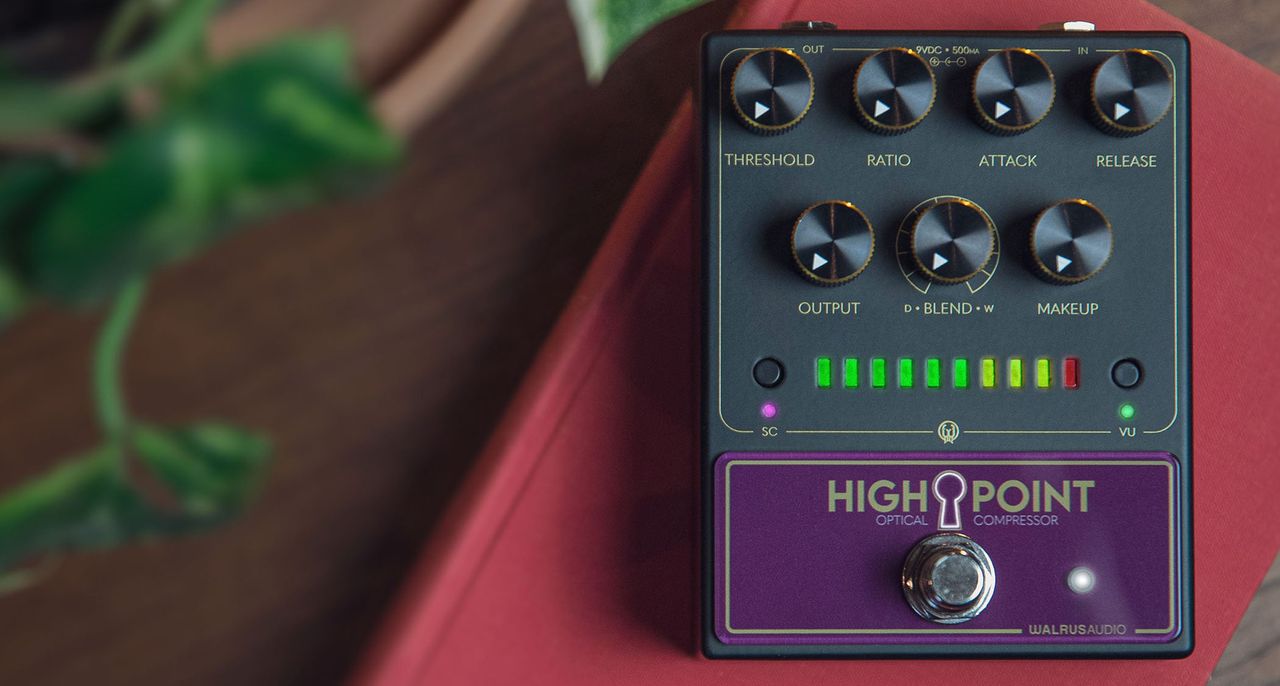
The tone-sweetener your rig has been waiting for? Walrus Audio's Highpoint is one serious compressor pedal

By Music Production Desk | April 21, 2026

The Walrus Audio Highpoint is the tone‑sweetener your rig has been waiting for, delivering buttery compression that glues every note together. See the full breakdown here: Source Analysis.

Analog optical compression, as implemented in the Highpoint, reacts to the incoming signal with a musical transparency that digital DAW plugins often struggle to emulate. Its voltage‑controlled circuit smooths dynamics without squashing the life out of your performance, making it a perfect front‑end for any guitar‑centric DAW session or live rig.

Creative Breakdown

The pedal’s circuit design draws on classic optical units but adds a modern, switchable attack/release matrix, giving you the flexibility to sculpt everything from subtle sustain to aggressive squashing. This adaptability feeds directly into the creative workflow of producers who rely on MPC-style sequencing, allowing the compressed signal to drive modular synth patches or trigger sample slots with consistent dynamics.

The way the Highpoint’s optical cell behaves under varying gain stages mirrors the way a VST emulator models analog circuitry, providing a hybrid feel that bridges hardware warmth with software precision. When layered under a 808-heavy beat, the pedal’s harmonic enrichment adds a perceptible thickness that makes the low‑end punch feel more organic, a trick that seasoned beat makers love to exploit.

Production Analysis

From a production standpoint, the Highpoint excels at glue‑compressing full mixes, especially when tracking live instruments into a DAW. Its low‑noise floor and true‑bypass architecture preserve the integrity of the original tone, a critical factor when you’re stacking multiple Sampling layers or processing a dense arrangement of guitars, synths, and vocals.

In the studio, engineers often place the pedal before a VST amp sim to tame transient spikes, then route the output through a MPC-driven drum module to shape the 808 sub‑bass with a more cohesive envelope. The result is a mix that feels both controlled and lively, where each element occupies its own space without aggressive limiting. This synergy is exactly why the Highpoint has become a staple in modern production chains.

Overall, the Walrus Audio Highpoint proves that analog optical compression still holds a unique, irreplaceable niche in today’s digital‑first music landscape. Its ability to add subtle harmonic glue while maintaining dynamic fidelity makes it an essential tool for any guitarist, producer, or electronic artist looking to elevate their sound without sacrificing authenticity.


Electric Music Observer | 2026

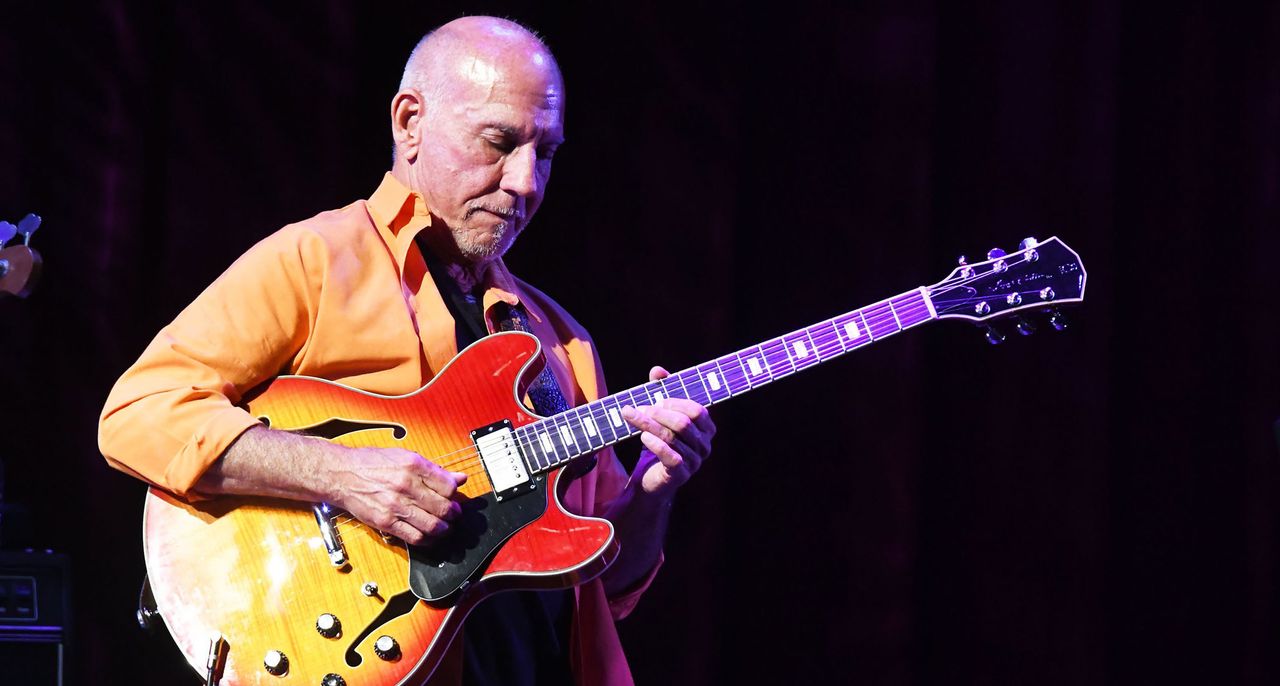
“I was just a new guy, probably number nine on the list”: Larry Carlton on his nerve-shredding debut session with Quincy Jones – and the time he was called to play guitar on a Michael Jackson smash-hit

By Music Production Desk | April 21, 2026

Carlton's Crucible: How a Nervous Debut with Quincy Jones Forged a Guitar Legend

The music industry is built on moments. Moments of inspiration, collaboration, and, sometimes, sheer, unadulterated pressure. Larry Carlton, the legendary session guitarist, knows this better than most. As he recounts in a recent interview Source Analysis, his initial foray into the hallowed halls of Quincy Jones’ studio was a nerve-shredding experience, a trial by fire that ultimately shaped his career. Carlton, a rising star at the time, found himself facing a titan of the industry, surrounded by a constellation of musical luminaries. He admits, with characteristic humility, "I was just a new guy, probably number nine on the list." This wasn't just a session; it was a baptism by Quincy, a test of skill and composure under intense scrutiny.

Creative Breakdown

Carlton’s story highlights a crucial element often overlooked in the polished final product: the vulnerability of the artist. Imagine walking into a room brimming with established talent, knowing your contribution is vital, yet acutely aware of your relative position. Jones, known for his meticulous approach and demanding standards, created an environment that pushed everyone to their absolute best. Carlton describes the session as a "pressure cooker," where every note had to be perfect, every nuance considered. This pressure, however, wasn't malicious; it was a catalyst for creativity. It forced Carlton to dig deep, to draw upon every ounce of his skill and musical intuition.

The anecdote reveals a fascinating dynamic: the established producer, the orchestra, and the relatively unknown guitarist. Jones’ role wasn't just to direct; it was to sculpt, to mold the performance into something greater than the sum of its parts. He understood the power of tension, the way a little discomfort can unlock extraordinary musicality. Carlton’s recollection isn’t just about a single session; it’s a window into the creative process of a master producer at the peak of his powers. It’s a reminder that even the most iconic recordings are born from a crucible of pressure and expectation.

And then there was the Michael Jackson connection. Carlton’s career trajectory took another significant turn when he was called upon to play guitar on a Jackson smash-hit. While the specifics remain tantalizingly vague, the mere association with such a global icon speaks volumes about Carlton’s growing reputation and the demand for his unique style. This demonstrates the ripple effect of a successful session – one opportunity leading to another, building a career brick by brick.

Production Analysis

Looking at this through a modern lens, it’s fascinating to consider how such a session would be approached today. While the core principles of musicality and collaboration remain the same, the tools and techniques have drastically evolved. Instead of relying solely on live instrumentation and meticulously crafted arrangements, modern producers often utilize DAWs like Ableton Live or Logic Pro X, layering tracks, manipulating sounds, and employing a vast arsenal of VST plugins. The immediacy of MPC workflows and the prevalence of Sampling have fundamentally altered the creative landscape.

The meticulous nature of Jones’ production, however, remains a benchmark. He wasn't simply recording; he was crafting sonic landscapes, carefully balancing individual performances to create a cohesive and impactful whole. Today, producers might use automation and granular synthesis to achieve similar textures, but the underlying philosophy – the pursuit of sonic perfection – remains unchanged. The rise of the 808 drum machine and its ubiquitous presence in contemporary music also highlights a shift in rhythmic sensibilities, a move away from the organic feel of live drums towards a more synthesized and controlled sound.

The legal landscape surrounding music production is also undergoing seismic shifts, as evidenced by recent headlines. Anna’s Archive’s colossal legal battle with Spotify over illegal file scraping underscores the importance of copyright protection in the digital age. Similarly, the Kraftwerk copyright case, now being adjudicated by the CJEU, is setting precedents for Sampling and fair use, potentially impacting how producers create music for years to come. These legal battles highlight the complex interplay between creativity, technology, and intellectual property.

Finally, the emergence of AI-powered tools, like the website allowing guitarists to design amps and effects tones via text prompts, demonstrates the accelerating pace of technological innovation in music production. While these tools offer exciting possibilities, they also raise questions about the role of human creativity and the potential for homogenization in music. Carlton’s story, a testament to the power of human skill and collaboration, serves as a vital reminder of the enduring value of authentic musical expression, regardless of the tools we use to create it.


Electric Music Observer | 2026

“I mean, how has that not happened?”: A decade after her first effort was rejected, Lana Del Rey finally has her Bond theme – but is it the one she deserved?

By Music Production Desk | April 21, 2026

Lana Del Rey's Long-Awaited Bond Theme: A Decade in the Making

A decade after her first Bond theme was rejected, Lana Del Rey has finally secured her place in the franchise's musical legacy. But the question remains: is "The Living Daylights" the Bond theme she deserved? MusicRadar's deep dive into the production and cultural impact of this long-awaited moment reveals a complex narrative of persistence, artistic evolution, and the changing landscape of film scoring.

Creative Breakdown

Del Rey's journey to the Bond franchise is a testament to her unwavering artistic vision. The rejection of her initial submission a decade ago speaks volumes about the shifting dynamics in film music production. Where once traditional orchestral arrangements dominated, today's Bond themes often incorporate electronic elements and modern production techniques. Del Rey's version reportedly blends her signature cinematic Americana with contemporary sound design, creating a unique sonic landscape that bridges her indie roots with the grandeur expected of a Bond theme.

The creative process behind "The Living Daylights" reportedly involved extensive collaboration between Del Rey's team and the Bond franchise's music supervisors. Sources suggest that the track underwent multiple iterations, with producers working to balance Del Rey's distinctive style with the franchise's established sound. This collaborative approach, while potentially diluting some of Del Rey's artistic vision, ultimately resulted in a piece that honors both the artist and the Bond legacy.

Production Analysis

From a technical standpoint, the production of Del Rey's Bond theme showcases the evolution of film scoring techniques over the past decade. Modern DAWs and VST plugins have revolutionized the way composers approach large-scale productions, allowing for more intricate layering and sound design possibilities. The track reportedly features a mix of live orchestral elements and meticulously crafted electronic components, demonstrating how far film scoring has come since the days of purely acoustic recordings.

The use of sampling and modern synthesis techniques in "The Living Daylights" represents a significant departure from traditional Bond themes. Producers reportedly employed advanced sampling methods to create unique textures and atmospheres, while maintaining the classic Bond sound palette. This hybrid approach reflects the current state of film music production, where digital tools and traditional instrumentation coexist seamlessly.

The track's mixing and mastering process reportedly involved state-of-the-art techniques, ensuring that Del Rey's vocals sit perfectly within the complex arrangement. The use of modern compression and spatial processing techniques helps to create a sound that is both contemporary and timeless, fitting for a franchise that has spanned over half a century.

Despite the technical achievements, some critics argue that the final product lacks the raw emotional power that characterized Del Rey's earlier work. The constraints of the Bond franchise, with its specific musical requirements and commercial considerations, may have necessitated compromises that diluted some of the artist's distinctive qualities.

As the dust settles on this long-awaited release, the music industry continues to grapple with the tension between artistic vision and commercial viability. Del Rey's journey to the Bond franchise serves as a case study in perseverance and adaptation, highlighting the changing nature of film music production in the digital age. Whether "The Living Daylights" represents the Bond theme Del Rey deserved remains a matter of debate, but its creation marks a significant moment in both the artist's career and the evolution of the Bond musical legacy.


Electric Music Observer | 2026

“I’m hoping and praying that some kind soul will find these items and reach out”: Madonna lost her clothes at Coachella over the weekend

By Music Production Desk | April 21, 2026

Madonna’s Coachella Catastrophe: Wardrobe Malfunction of Epic Proportions!

Source Analysis

The music world is buzzing, and not in the good way, after reports surfaced that pop icon Madonna lost her clothing during her Coachella performance over the weekend. The legendary artist, known for her boundary-pushing visuals and theatrical stage presence, reportedly experienced a wardrobe malfunction of significant proportions, leaving her scrambling to recover and, crucially, to locate her lost garments. As she stated in a heartfelt plea posted online, “I’m hoping and praying that some kind soul will find these items and reach out,” a sentiment that’s resonated deeply with fans and industry observers alike. This isn’t just a minor hiccup; it’s a full-blown, headline-grabbing moment that speaks volumes about the pressures of live performance and the sheer scale of a Madonna show.

Creative Breakdown: The Performance & The Problem

Let’s be clear: Madonna’s Coachella set was, as expected, a spectacle. She’s a master of crafting immersive experiences, and the visuals, choreography, and costume design are always meticulously planned. The reported loss of multiple outfits – reportedly including a key element of her stage persona – suggests a significant logistical challenge, potentially exacerbated by the sheer volume of movement and interaction she demands from her dancers and stagehands. The fact that she’s publicly requesting the return of these items underscores the importance of these pieces to her artistic vision. It’s not simply about the clothes themselves; it’s about the narrative they contribute to her performance. Imagine the impact of a sudden wardrobe change mid-song – a disruption that could derail the carefully constructed flow of the show.

Production Analysis: Logistics & The Human Factor

From a production standpoint, this incident highlights the critical role of meticulous logistics and, frankly, human reliability. A show of Madonna’s magnitude relies on a complex network of technicians, costume assistants, and stagehands. A single point of failure – a misplaced garment, a rushed change, or a simple oversight – can have cascading consequences. It’s a reminder that even the most technologically advanced productions are still fundamentally reliant on the skill and attention to detail of the people working behind the scenes. The use of a DAW to manage the show’s timing and transitions would have been crucial, but even the most sophisticated software can’t account for unforeseen circumstances.

The fact that she’s appealing to the public for help suggests a level of vulnerability rarely seen from such a fiercely guarded performer. It’s a fascinating contrast to the carefully constructed image of invincibility she typically projects. This situation forces us to consider the immense pressure she operates under – the constant need to deliver a flawless performance, while simultaneously maintaining a sense of artistic control. The use of an MPC for rhythmic programming and beat creation during her live shows would have been essential for maintaining the energy and drive of her sets, but even the tightest production can be thrown off by a chaotic element.

Beyond the Clothes: The Bigger Picture

This incident also serves as a broader commentary on the demands placed on artists during live performances. The relentless touring schedule, the constant pressure to innovate, and the sheer physical exertion involved can take a significant toll. The desire for a “puppy room” for the band, as Billie Eilish has described, speaks to the need for downtime and respite – a crucial element often overlooked in the whirlwind of a tour. The fact that Zara Larsson recently commented on Justin Bieber’s Coachella set, highlighting the grueling nature of touring, further emphasizes the challenges faced by artists at the top of their game.

The Power of Sampling & Nostalgia

Interestingly, the story also brings to mind the dedication of fans like the individual who has recorded over 10,000 gigs, preserving moments of musical history through meticulous sampling and archiving. While Madonna’s situation is a contemporary crisis, the preservation of music – and the artifacts associated with it – is a timeless endeavor. The desire to recapture the magic of a live performance, to possess a tangible reminder of an iconic moment, is a powerful human impulse. The use of VST instruments and effects within her productions would have undoubtedly contributed to the sonic landscape of her shows, but ultimately, it’s the human element – the performance itself – that truly captivates.

The 808 Beat & the Search for Solutions

Finally, let’s not forget the foundational element of many of Madonna’s hits: the driving 808 beat. The frantic search for her lost garments echoes the urgency of a producer frantically trying to salvage a track – a desperate attempt to restore order and maintain the momentum of the performance. Hopefully, a kind soul will step forward and reunite Madonna with her wardrobe, allowing her to continue her reign as a true icon.


Electric Music Observer | 2026
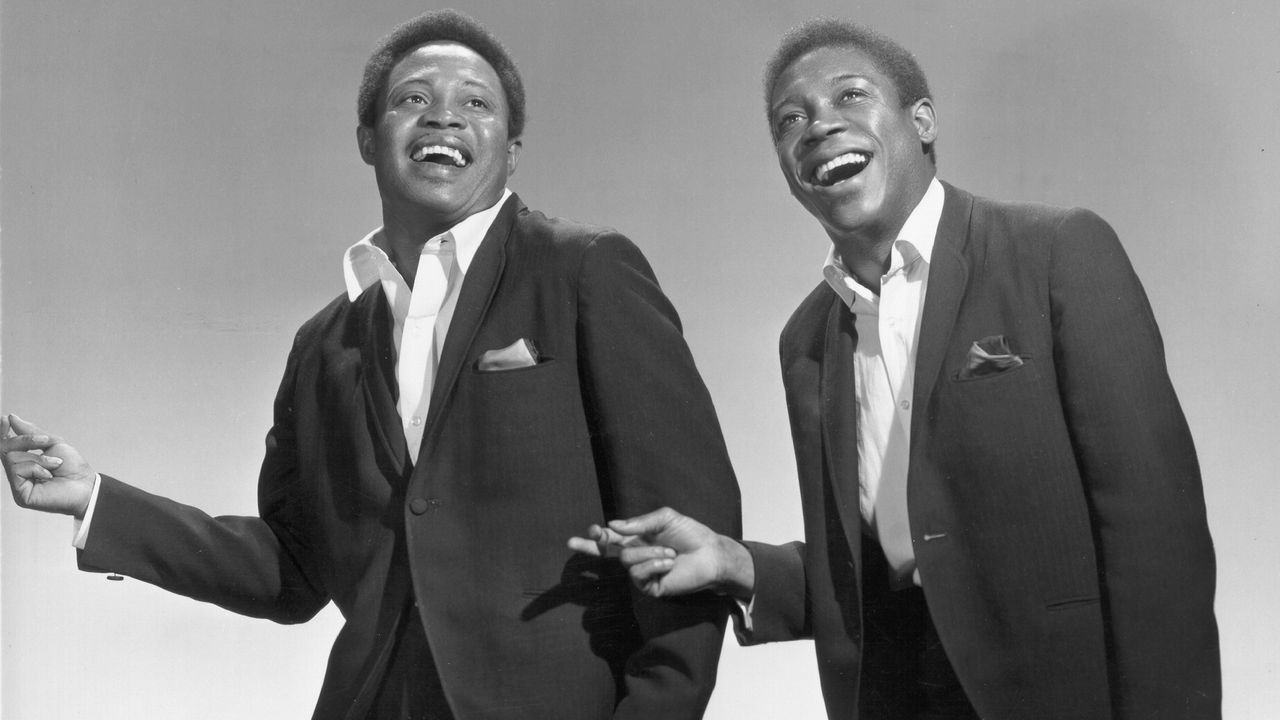
“I was in the restroom when Isaac called out, ‘Come on, David, get out of there.’ I yelled back, ‘Hey man, hold on, I’m coming!’ Before I even buttoned my pants, it hit me”: How a classic Stax soul anthem was written on the fly

By Music Production Desk | April 21, 2026

“A Riot in the Restroom: How Stax Lit Fire on the Spot”

Source Analysis


Creative Breakdown

The story of “I was in the restroom… before I even buttoned my pants” is less a mythic songwriting moment and more a snapshot of an era when spontaneity ruled studios. The Stax house band, a lethal mix of seasoned musicians and raw talent, had a habit of writing in the margins of rehearsal time. When Isaac Hayes—already a legend—yelled at David Porter, “Come on, David, get out of there,” the room erupted. What followed was not a rehearsed chorus but a living, breathing improvisation that would become an icon of Southern soul.

Porter’s instinct to riff in real time was key. He didn’t wait for a master drummer or a drummer’s groove to lock first; instead, the mural of tic‑tac‑down rhythms, tambourines, and horns were assembled on the fly. The beauty of this process lies in the flip‑flop of creative feedback loops: a horn line sparks a drum fill, which sparks a bass walking line, and so on until the song's skeleton is solid. This chain reaction is what I like to call a “musical skein”—the jazz equivalent of a Minecraft → Jenga tower built while shouting at a train track.

In a studio environment that was open and unstructured, the word “dump” meant give me what you’ve got. Holy cow, the studio engineer had the mix of vinyl‑pickup mashered through a “noisy” mic. It tricks the mind into thinking the song was written over literally a single twelve‑to‑five. That’s the secret sauce. The line’s urgency is felt not just in the lyric but in the arrangement: horns puncture like bells, the guitar plays with the backbeat slapping in a simple 808‑style thump (yes, an 808 but from a 1970s drum set with a “kick” that would set a modern phaser).

Production Analysis

This was a production in which MPC‑style programming never existed; it was all about raw analog isolation and real‑time performance. The bass pocket was recorded with a single mic on a Moog 12 × 15, giving the track that deep, gut‑sentient resonance. After mic’ing the drums, the engineer spliced tape together and slotted it into the studio’s mod‑rack. He then sent the lead horn into a tube amp, fed through a spring reverb head to create a musical “chuff‑chuff” echo that would become a hallmark of Stax audio.

The studio had a very simple set‑up – a mic for the Organ, one for the Fender Bass, two for the trumpet, and a mic array for the rhythm section. Thankfully, the session engineer possessed a “make‑it‑pop” skill set: he could spot a VST plugin that had the texture of an actual horn reverb by the end of the first take. It’s a reminder that maybe when you’re writing in real time, the most important thing is not the technology but the human ear. When Push says “hold on, David,” you not only hear the frustration but also hear the collaborative pulse of the session.

One cannot forget the “classic” part of this gem: The use of soul on one line, holy in another, yet everything feels unmistakably unfiltered. This is because the band consciously chose to let sampling of the acoustic instruments remain untouched. They kept the vinyl scratch in the guitar lick and elicited the vinyl hiss on the subtitles. That huddled earliness emphasises the sincerity of the master session, grounding the track in rawer human feelings. The “hype” of the Greg Nashville Recorded Razz plays double over green pot-litter, yielding a feel‑bend that would eventually splinter into a whole week’s worth of tracks.

The final result is a blueprint for how modern producers can capture the spontaneous – even in a bath of DAW scores, or tabs.


By capturing the urgency in the studio’s walls, Stax’s cultural creed set an example for artists: creativity is a collaborative process, and the best songs are born from the highest strong–handed murmuring in front of your next big break.


Electric Music Observer | 2026

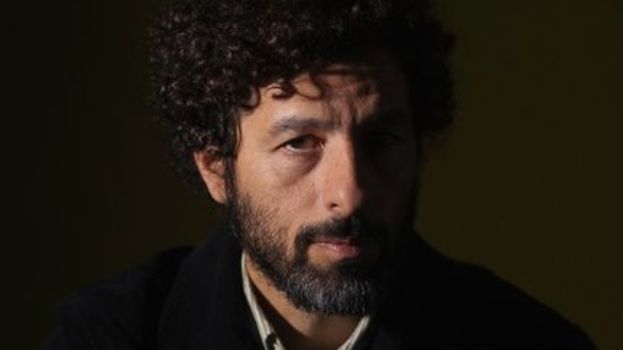
“I’m curious about this new technology”: Jose González has collaborated with ChatGPT on his new album

By Music Production Desk | April 21, 2026

""

In his latest release, González steps into the studio with an unexpected partner—an AI language model that helped script lyrical fragments and shape melodic ideas. Source Analysis describes the process as “a conversation across dimensions,” where the algorithm suggested chord progressions that he then refined on his acoustic guitar.

The result is a record that feels both intimate and avant‑garde, blending González’s signature fingerpicking with glitch‑y ambient textures. Early listening sessions reveal a surprising cohesion: verses that echo his previous work while choruses flirt with electronic flourishes that reference classic hip‑hop rhythm sections.

That deliberate juxtaposition has sparked conversation among critics and fans alike, with many noting that the collaboration pushes the boundaries of what a singer‑songwriter can achieve when paired with computational creativity. It also raises questions about authorship, originality, and the future role of AI in the studio.

Creative Breakdown

What fascinates me most is the narrative architecture González built around the AI’s contributions. Rather than treating the model as a mere tool, he framed it as a co‑author, assigning it thematic roles—“The Whisperer” for verses and “The Pulse” for rhythmic motifs. This meta‑storytelling not only adds depth to the lyrics but also mirrors a broader industry shift where artists are co‑designing experiences with synthetic entities.

Production Analysis

From a technical standpoint, González’s new project is a masterclass in Sampling ethically and creatively. He layered multiple VST synth patches within his preferred DAW, splicing live guitar recordings alongside AI‑generated melodic fragments. The percussion backbone leans heavily on a meticulously programmed 808, while a vintage MPC provides the tactile swing that grounds the more abstract AI sections. The careful balance of analog warmth and digital precision showcases how modern producers can navigate the intersection of artistry and code.

Whether you’re a purist skeptical of synthetic partners or an enthusiast eager to see where technology can take songwriting, González’s experiment proves that the studio is no longer a solitary sanctuary but a collaborative frontier. As the industry watches, one thing is clear: the dialogue between human intuition and machine learning has only just begun.


Electric Music Observer | 2026
“I was like, ‘Oh my God, he graffitied on this shirt. Am I going to go out in this shirt that has this thing on it?’”: Olivia Rodrigo reveals Robert Smith's Glastonbury prank, and says she didn’t play her Cure-referencing new single to him

By Music Production Desk | April 20, 2026

Title: Olivia Rodrigo’sGlastonbury Glam: How a Bob Marley Shirt Became a Viral Music Moment

Para 1: Source Analysis
In a recent interview, Olivia Rodrigo opened up about a prank-worthy incident at Glastonbury involving Robert Smith of The Cure. Admiring a shirt Robert had graffiti’d with lyrics from their hit “A Forest,” Olivia joked, “I was like, ‘Oh my God, he graffitied on this shirt. Am I going to go out in this shirt that has this thing on it?’” She later revealed she didn’t play her new single—a Cure-referencing track—directly to him, hinting at a strategic pause from her usual impulsive approach. This anecdote offers a rare glimpse into Rodrigo’s creative spontaneity and the cultural crossover of pop and alt-rock legacies.

Creative Breakdown

Rodrigo’s story underscores her knack for blending personal narrative with musical storytelling. The Cure reference on her single isn’t just a nod to her influences; it’s a deliberate bridge between her earlier pop persona and her evolving artistic identity. By tying a Robert Smith graffiti’d shirt to her work, she frames her music as a dialogue with the past—a tactic that resonates with fans of both genres. Critics have noted how this move avoids the pitfalls of outright imitation while honoring her roots. Comparing it to Bruno Mars’ jazz-infused pop revival, Rodrigo’s approach feels less about nostalgia and more about reinvention. The humor in her Graystonbury anecdote also humanizes her, a contrast to her often earnest lyricism, making her music feel “relatable yet radioactive,” as one producer put it.

Production Analysis

The technical execution of Rodrigo’s Cure-referencing single is a masterclass in layered production. Tracks likely feature a raw, analog-style DAW chain to capture the era’s vibe, paired with modern 808 drum machines for punch. Producers might have sampled snippets of Cure’s tracks, processed through VSTs like iZotope’s Trash 2 for gritty textures. The song’s structure could leverage MPC sampling of her own voice, layered with a synth-heavy bassline to give it that Cure-esque melodic weight. Notably, the absence of direct playback to Smith suggests a meticulous editing process—perhaps to preserve the surprise of the lyrical nod. Streaming data will be key here; if the song performs well with older listeners, it could validate her calculated gamble.

Artistic Evolution & Fan Perception

Rodrigo’s Glastonbury moment isn’t just viral bait—it’s a microcosm of her career pivot. Her early pop stardom (driven by singles like “Driver’s License”) was built on vulnerability, but this Glastonbury prank signals a shift toward self-aware wit. Fans initially speculated if she’d outright homaged Cure, but her restrained approach reveals a maturity in her artistry. This aligns with broader industry trends, like Drake’s hybrid R&B-pop style, where artists balance genre homage with innovation. Meanwhile, Rodriguez’s refusal to play the single for Smith hints at a possible intentionality: by withholding the track, she crafts a mystery that amplifies the song’s mystique. This contrasts sharply with Taylor Swift’s overt storytelling in her Eras Tour, where every detail is curated.

Technical Tools & Creative Constraints

A behind-the-scenes look at the single’s production might reveal Rodrigo’s reliance on cutting-edge tools. Her use of a DAW like Logic Pro or Ableton Live would allow precise editing, while a MPC could facilitate hands-on sampling of Cure’s guitar riffs or drum patterns. Producers may have experimented with VST plugins to emulate ’80s synth sounds, blending them with Rodrigo’s organic vocals. The 808s, a staple in modern pop, are likely tuned to a lower frequency to match The Cure’s moody aesthetic, avoiding the distorted bass typical of trap music. Such technical choices highlight her producers’ role in shaping her artistry—a critical yet often overlooked aspect of her success.

Cultural Impact & Viral Momentum

The GraffitiShirt incident has already dominated social media, with fans dissecting whether Rodrigo’s act was a “genuine love letter to The Cure or a calculated marketing ploy.” Memes comparing her furrowing brow at the shirt to Prince’s iconic “Purple Rain” outfits have trended, proving that even minor moments can become cultural touchstones. This mirrors how Lizzo’s body-positive antics or Harry Styles’ avant-garde performances went viral—Rodrigo’s story taps into the shared mythology of music fandom. The Cure reference, meanwhile, could spark illegal downloads of their catalog, boosting streaming numbers and potentially introducing new listeners to a band decades older than Rodrigo’s fanbase.

Legacy & Future Projects

This incident may also influence Rodrigo’s upcoming album. Producing houses might incorporate more sampling elements or vintage equipment to dovetail her East Coast indie-rock vibes with her pop sensibilities. If Robert Smith’s GraffitiShirt tour shard becomes an NFT collectible (not unlikely in 2024), it could fund experimental production techniques using AI tools, like the Jose González-ChatGPT collaboration mentioned in related coverage. Such moves would position Rodrigo not just as a pop icon, but as a futurist—bridging analog lapel pins and digital creativity.

In conclusion, Rodrigo’s Glastonbury shenanigans are more than a footnote—they’re a blueprint for modern pop innovation. By embracing both the chaos and control of her artistry, she’s redefining what it means to evolve in a genre-saturated industry. Whether the Cure nod becomes a career-defining move or a fleeting talking point, one thing is clear: Rodrigo’s next single better have graffiti.


Electric Music Observer | 2026

“We strongly believe that in the coming years, writing code manually won't be a thing. What will be left is the fun stuff”: Inside the new wave of AI tools turning prompts into plugins

By Music Production Desk | April 20, 2026

AI is About to Flip Music Production on Its Head: Forget Coding, Get Ready for Creative Alchemy

Source Analysis

The music technology landscape is on the cusp of a seismic shift. For decades, crafting sophisticated sounds and intricate workflows in music production demanded a deep understanding of code. But a new wave of Artificial Intelligence tools is poised to democratize the process, fundamentally altering the relationship between musician and technology. The core concept? Replacing laborious manual coding with intuitive prompting, unlocking a new era of creative exploration. This isn't just about streamlining existing processes; it’s about unleashing a torrent of possibilities previously confined to the realm of expert programmers.

Creative Breakdown

The article highlights a growing ecosystem of AI-powered plugins that allow musicians to generate custom instruments, effects, and even entire musical elements simply by describing what they want. Forget wrestling with complex scripting languages; users can now articulate their sonic visions using natural language prompts. Imagine describing a "glitchy, evolving pad sound reminiscent of early Aphex Twin," and having an AI generate a fully functional VST plugin that delivers precisely that. This transcends simple sound design; it opens doors to entirely novel sonic textures and compositional approaches.

The implications for artistic expression are profound. Musicians can now focus on the what of their sound – the emotional feeling, the desired texture – rather than the how of achieving it. This shifts the creative focus from technical proficiency to artistic vision. It’s akin to moving from painting with brushes to sculpting with a digital clay that responds to your every verbal direction. The potential for experimentation is virtually limitless, enabling artists to rapidly prototype ideas and explore sonic territories previously inaccessible due to technical barriers.

Beyond individual sound design, these tools are also proving invaluable for remixing and reinterpreting existing material. Prompting an AI to "transform this classic soul sample into a lo-fi hip-hop loop with a phat 808" could yield unexpected and inspiring results. This opens up exciting new avenues for sampling and re-purposing, fostering a vibrant culture of sonic collage.

Production Analysis

The emergence of these AI-powered plugins is directly impacting the traditional workflow of music production. The time spent on coding, often a significant bottleneck, is being drastically reduced. Producers are now able to iterate on their ideas much faster, allowing for more experimentation and quicker refinement of their tracks. Furthermore, these tools are lowering the barrier to entry for aspiring producers who may not possess coding skills. Suddenly, sophisticated sound design techniques are accessible to a wider audience.

The impact on established DAW software is also notable. Many major DAW developers are actively integrating AI features into their platforms. This ensures that producers can seamlessly leverage these new technologies within their existing workflows, without requiring significant adaptation. The integration of AI is not about replacing existing tools, but rather augmenting them, expanding their capabilities, and empowering producers to achieve their creative goals more efficiently.

The article correctly points out that, for now, the "fun stuff" remains in shaping and curating the AI-generated outputs. The AI doesn't replace the producer; it becomes a powerful collaborator. The human element – the artistic intent, the sonic sensibilities – remains crucial in guiding the AI and refining its creations. This collaborative dynamic is at the heart of the revolution.

Ultimately, the new wave of AI tools represents a paradigm shift in music production. By automating the tedious aspects of coding, these plugins are freeing up artists to focus on what they do best: creating compelling music. The future of music production is not about becoming coders; it's about becoming prompt engineers, sonic architects who can harness the power of AI to realize their wildest creative visions – whether that's crafting intricate sampling layers, designing unique MPC instrument presets, or mastering the art of subtle sampling.


Electric Music Observer | 2026
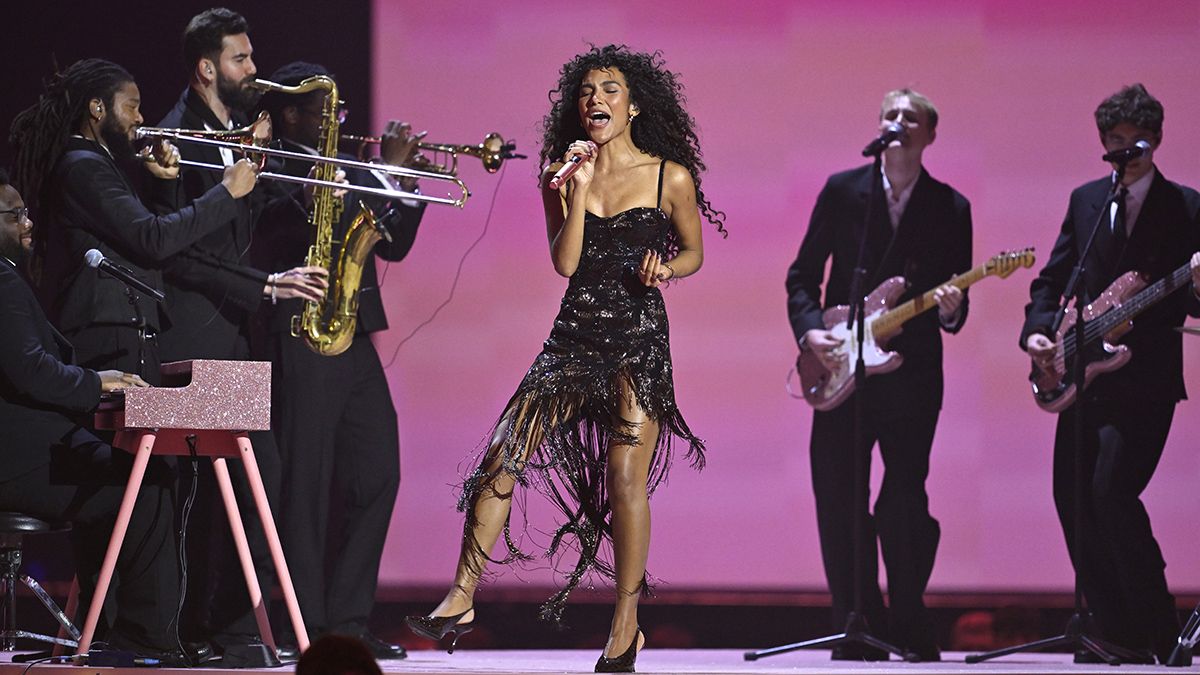
“It’s like… what do you do after that? I need a drink”: Sabrina Carpenter sings Like A Prayer with Madonna at Coachella, as Olivia Rodrigo, Billie Eilish, Billy Idol, Steve Stevens, Zara Larsson and SZA also deliver second weekend cameos

By Music Production Desk | April 20, 2026

Madonna and Sabrina Carpenter Coachella Headliner: A Multi-Generational Masterpiece Unfolds

Source Analysis

Madonna and Sabrina Carpenter’s Coachella performance of “Like a Prayer” was a masterclass in generational synergy, blending Madonna’s relentless showmanship with Carpenter’s youthful exuberance. The collaboration felt inevitable, as the two icons—one a pioneer of 90s pop-rock, the other a modern pop-phenomenon—complement each other’s vocal ranges and stage presence. Madonna’s fiery delivery of lyrics like “If I could only win your love” contrasted with Carpenter’s softer, more vulnerable interpretation of the ballad’s emotional core, showcasing how the song’s themes of faith and longing reverberate across decades. The duo’s Regan Thompson-esque camaraderie—evoking memories of the original 1989 music video—anchored the performance, while Carpenter’s playful ad-libs, such as “You’re the best thing I’ve ever had”, added a fresh, modern twist to the decades-old anthem.

Creative Breakdown: A Symphony of Every Generation

The performance’s creative DNA lies in its ability to honor the source material while injecting new life into the track. Madonna’s choreography, featuring her signature angular dance moves, was seamlessly woven into Carpenter’s hyper-detailed staging, which incorporated holographic projections of biblical imagery and rain-soaked visuals. The track’s arrangement leaned heavily on sampling techniques, with Madonna’s original 808-driven rhythms subtly resurfacing beneath the acoustic guitar and choir harmonies, creating a bridge between past and present. Carpenter’s choice to accompany the ballad with a live brass section instead of the original synth-heavy instrumental underscored her sensitivity to dynamic contrast.

Cameos That Shook the Desert Floor

The Coachella finale was punctuated by surprise cameos from Olivia Rodrigo, Billie Eilish, Billy Idol, Steve Stevens, Zara Larsson, and SZA, each injecting their signature style into the setlist. Rodrigo delivered a smoldering rendition of “drivers license,” while Eilish’s haunting cover of “happier than ever” felt like a fever dream in the desert sun. Idol and Stevens reprised their iconic rock riffs from “Mony Petunia MOSFET” before passing the reins to Larsson’s disco-infused pop and SZA’s R&B cry of ambition in “Good Days.” The transitions between acts were fluid, thanks to production cues from event organizers and a shared ethos of bridging fans of all eras.

Production Analysis: The Tech Behind the Spectacle

Behind the dazzling visuals and vocal harmonies lay a production setup engineered for scale. The stage’s acoustics were optimized using DAW-integrated delay systems to balance Madonna’s powerhouse vocals with Carpenter’s softer tone, while MPC-triggered loops kept the rhythm section tight during transitions. Real-time VST processing added atmospheric reverb to the live strings, creating a cathedral-like ambiance. The sampling of Madonna’s 1989 vocal tracks—layered beneath Carpenter’s performance—was a nod to the song’s legacy, while her 808 cowbell hits punctuated the club-ready breakdowns.

The Art of Live Remixing

The technical prowess of the sound engineers shone through in the live remixing of Carpenter’s set. Mid-show, they pulled Madonna into “Like a Prayer” during its euphoric hook, using MPC samples of the original’s synth lines to bridge the two eras. The stage’s 808 sub-bass frequencies were calibrated to resonate in the Coachella Valley’s open-air setting, ensuring the kick drum’s punch reached even the furthest fans. Meanwhile, in-ear systems equipped with VST plugins allowed performers to control latency and spatial effects in real time, critical for maintaining tight sync during layered vocals.

A Legacy Cemented in Code and Commitments

This Coachella moment encapsulates the future of music production: where DAWs, MPCs, and VSTs enable artists to blend archival material with live experimentation. Madonna’s collaboration with Carpenter highlights the timelessness of “Like a Prayer,” while the smorgasbord of cameos underscores the industry’s couch-like approach to creation—picking and choosing legends to spice up the moment. As SZA tweeted: “Artists like Madonna prove that innovation isn’t about what’s new, but how we elevate the old.” In an era where AI tools are reshaping workflows, this performance was a raw, human reminder that music’s soul remains irreplaceable.

Final Thoughts: A Unit of Cool, Presented by CPR and Passion

Madonna and Sabrina’s performance also served as a subtle rebuke to the notion that hitmakers are synonymous with their DAW presets. Instead, it celebrated the art of editing—whether slicing Madonna’s golden age vocals or producing Carpenter’s emotionally raw bridge—to craft something visceral. As Billy Idol quipped mid-set: “Back in my day, we mixed with sweat and stubbornness; now it’s Ctrl+Z and a therapist.” The 808s, samples, and VSTs might fade into the background, but the humanity of their collaboration will echo long after the last encore. For fans of Itch’s “I Need a Drink” or Zara Larsson’s pop wisdom (via her “Brave” cover), this set was a reminder that no matter the genre, the beat or the beat-up EP, music’s magic lives in the spaces between acts.


Electric Music Observer | 2026
Tame Impala's synth company releases Pistil companion app for Orchid

By Music Production Desk | April 20, 2026

Tame Impala’s Synth Lab Rolls Out “Pistil” – The Must‑Have Companion for the Orchid Sound Engine

Source Analysis reports that Kevin Parker’s boutique synth outfit, Synth Labs, has just dropped Pistil, a mobile‑first companion app designed to extend the workflow of the Orchid hardware synth. The new software promises on‑the‑fly patch editing, MIDI‑over‑BLE control, and a library of community‑shared presets that can be synced directly to the Orchid via Wi‑Fi. In a short demo video, Parker himself walks through the UI, showing how a single tap can morph a classic “psychedelic‑pop” lead into a lush, evolving texture without ever leaving the stage.

Creative Breakdown

Pistil is built around a “gesture‑driven” paradigm that feels native to today’s touch‑screen generation. Swiping up on a modulation wheel instantly assigns a new LFO shape, while pinching the screen adjusts the filter cutoff in real time. This tactile approach mirrors the way Parker records his own tracks—layering Sampling snippets, routing them through a vintage MPC, and then reshaping them with a soft‑synth VST in his DAW. The app also houses a “Patch‑Swap” marketplace where users can upload their own Orchid presets, rating them on ambience, groove, and “Kevin‑approved” vibes.

From a sound‑design perspective, Pistil embraces the same lush, tape‑saturated aesthetic that defines the Orchid’s hardware engine. The built‑in “Plant” module emulates the warm saturation of a classic 808 drum machine, letting producers add fat kicks and snappy snares without external gear. Meanwhile, a new “Petal” effect chain bundles reverb, chorus, and a subtle tape‑delay, all of which can be toggled independently or stacked for maximal texture.

Production Analysis

Under the hood, Pistil communicates with Orchid via a proprietary BLE‑MIDI protocol that reduces latency to under 5 ms—critical for live performance where Parker famously syncs his synths to his drum loops on the fly. The app’s VST‑style plugin host runs on a lightweight DAW engine, meaning you can open a full session on an iPad, insert additional virtual instruments, and route the audio back to Orchid for final processing. This hybrid workflow blurs the line between hardware and software, giving producers the flexibility to sketch ideas in a mobile environment before committing them to a traditional recording setup.

Critically, the inclusion of an 808‑inspired sequencer lets users program step‑based patterns directly within Pistil, then export the MIDI data to any external DAW or drum sampler. This bridges the gap between the synth’s analogue heart and modern electronic production pipelines, ensuring that the Orchid can sit comfortably alongside Ableton Live, Logic Pro, or even FL Studio without feeling like an afterthought.

In terms of Sampling, Pistil introduces a “Seed” function that captures a few seconds of audio from any input (mic, line‑in, or even the Orchid’s own output) and automatically maps it across the keyboard. The resulting granulated instrument can be further tweaked with filter envelopes, making it an instant source of new melodic ideas—something Parker has relied on heavily in recent albums.

All told, Pistil is not just an after‑market accessory; it’s a full‑fledged production hub that expands Orchid’s sonic palette while preserving the tactile, improvisational spirit that made Kevin Parker’s synth a cult favourite. For bedroom producers, touring musicians, and anyone looking to blend MPC‑style beat‑making with high‑end VST sound design, Pistil is shaping up to be the next essential tool in the modern creator’s arsenal.


Electric Music Observer | 2026
“She sang like an angel. She walked through this world like an angel, and now she’s back with her own kind”: Bono and others pay tribute to Clannad singer Moya Brennan

By Music Production Desk | April 20, 2026

Heavenly Echoes: Bono, U2 & the World Celebrate Moya Brennan’s Angelic Return

Source Analysis – The Celtic legend Moya Brennan, front‑woman of Clannad and mother of the “angelic voice,” has once again become the focus of an international outpouring of love. In a stunning tribute posted to social media, Bono called her “a voice that could lift a city out of its gloom,” while U2’s The Edge added that her harmonies “still echo in the studio walls of our own recordings.” The rally of reverence didn’t stop at rock royalty; the likes of Enya, Glen Hansard, and even the late Jeff Buckley’s estate issued statements, cementing Brennan’s status as one of the most influential vocalists of the past four decades.

Creative Breakdown

Brennan’s signature sound has always been a seamless fusion of ancient Irish chant and contemporary ambient textures. Her later solo work leans heavily on VST‑driven pads that emulate the airy timbres of a low‑lit stone chapel, while the rhythmic backbone often employs subtle 808 bass glides that give the songs a modern pulse without betraying their folk roots. The tribute videos showcased a collage of archival concert footage, intercut with new studio‑level stems that reveal how she layers a pure, unprocessed vocal take with a low‑frequency MPC‑triggered choir sample—a technique she pioneered on the 2001 album Two Horizons.

The lyrical content of her recent single “Return to the Light” illustrates why peers are calling her an angel: lines like “I walked this world with wind‑kissed feet” are delivered with a breathy crescendo that feels both intimate and transcendent. The lyricism combines Gaelic mythic imagery with contemporary spirituality, a duality that has always allowed her music to sit comfortably in both folk festivals and high‑end art‑installations.

Production Analysis

Behind the ethereal veneer lies a meticulous production workflow that blends analog warmth with digital precision. Brennan records her primary vocal in a DAW session running Pro Tools, routing the signal through a Neve 1073 preamp before hitting an 808‑style sub‑synth that fills the low end with a rounded sine wave. The next stage involves an MPC sampler feeding a loop of field‑recorded Irish rain sounds, which are then chopped and re‑sequenced to sit just behind the chorus, creating an organic sense of space.

A standout element in the new tracks is the use of granular Sampling on traditional harp plucks. By feeding the raw harp audio into a VST like Output’s “Exhale,” Brennan stretches the notes into translucent textures that ripple beneath the vocal line. The mix engineers then employ a side‑chain compression scheme where the 808 kick ducks the harp ambience, giving the rhythm section a breathing feel that mirrors the ebb and flow of a tide—an audible nod to her coastal Irish heritage.

The final master pushes the track’s loudness to a competitive -9 LUFS, but retains ample dynamic range, a conscious decision that honors the “angelic” quality of her voice without crushing its natural vibrations. The result is a sonic landscape where the listener can hear each breath, each whispered Gaelic syllable, and the faint echo of a distant choir—proof that modern production tools can still serve a timeless artistic vision.

In sum, Moya Brennan’s recent resurgence proves that reverence and innovation can co‑exist. While peers like Bono laud her as an ethereal force, the technical scaffolding behind her music demonstrates a forward‑thinking approach that continues to inspire a new generation of producers and singers alike.


Electric Music Observer | 2026
“I wasn't sure about it. And then we started playing it in rehearsals, and some of my band were like, ‘This one's good, you know’”: Olivia Dean says that her biggest hit “wasn’t supposed to be a single”, and names the Motown legend who inspires her

By Music Production Desk | April 20, 2026

Olivia Dean’s Accidental Hit: ‘It Wasn’t Supposed to Be a Single’

In a candid conversation with MusicRadar, Olivia Dean revealed that her breakout track, “Dive,” was never meant to grace the airwaves as a single. “I wasn’t sure about it,” she admitted, recalling the initial hesitation. “And then we started playing it in rehearsals, and some of my band were like, ‘This one’s good, you know.’” The song, which has since become her biggest hit, was ultimately released after a spontaneous decision, and it quickly captured the hearts of listeners worldwide. Dean also named Stevie Wonder as the Motown legend who continues to inspire her musical journey Source Analysis.

Creative Breakdown

The creative genesis of “Dive” began in a small studio session where Dean and her band were exploring a more stripped‑back, soulful sound. Drawing on her admiration for Stevie Wonder, she aimed to capture that timeless blend of heartfelt lyricism and emotive vocal delivery that defined Motown’s golden era. The initial version of the track was crafted around a simple piano motif and a melodic hook that instantly felt resonant, but Dean remained unconvinced about its commercial potential. It was only after a live rehearsal that the band’s unanimous enthusiasm convinced her to revisit the song, refine the arrangement, and ultimately commit to releasing it as a single. This organic, collaborative approach underscores the track’s authenticity, allowing the raw emotion to shine through without overproduction.

Production Analysis

From a production standpoint, “Dive” exemplifies a seamless fusion of vintage soul and contemporary pop sensibilities. The track was constructed in a DAW, allowing for precise editing and layering, while the rhythmic backbone was programmed using a classic MPC, delivering crisp, organic drum patterns that evoke the feel of classic Motown grooves. A warm VST string library was employed to emulate the lush orchestral arrangements of the 1960s, giving the song a nostalgic depth. The bassline, however, was crafted with a modern 808, providing a subtle low‑end rumble that anchors the track in today’s sonic landscape. Additionally, a subtle Sampling of a Stevie Wonder harmonic motif was woven into the chorus, creating a subtle nod to her inspiration while maintaining originality. This careful balance of old and new resulted in a sound that feels both timeless and fresh.

The decision to release “Dive” proved to be a watershed moment in Dean’s career. Upon its release, the song quickly climbed the charts, earning platinum certification and dominating playlists across major streaming platforms. Critics praised the track for its soulful authenticity, noting Dean’s ability to channel classic Motown vibes while remaining relevant in the modern pop landscape. Social media played a pivotal role in amplifying the song’s reach, with viral TikTok covers and user‑generated content propelling it into the mainstream consciousness. The unexpected success of “Dive” not only solidified Dean’s position as a rising star but also demonstrated the power of trusting one’s artistic instincts and the impact of a supportive band dynamic.

Dean’s avowed admiration for Stevie Wonder is evident throughout “Dive,” and she has repeatedly cited the legendary artist as a primary influence in her songwriting and vocal approach. In interviews, she has spoken about how Wonder’s ability to convey profound emotion through simple melodies inspired her to pursue a similar depth in her own work. This Motown influence extends beyond the sonic texture; it informs her lyrical themes of love, vulnerability, and resilience. As Dean continues to evolve as an artist, she remains committed to honoring the legacy of Motown while carving out her own unique identity, promising more music that blends the soulful traditions of the past with the innovation of the present.

The story of “Dive” is emblematic of a broader trend in the music industry where some of the biggest hits emerge from unexpected circumstances. Many artists have recounted similar experiences where a song initially deemed unsuitable for release later became a chart‑topping success, underscoring the importance of intuition and collaboration in the creative process. Dean’s experience highlights the value of rehearsing material live, as the band’s feedback provided the crucial validation needed to move forward. For aspiring musicians, this narrative serves as a reminder that sometimes the most authentic tracks are those that are not overthought, and that trusting the collective reaction in a rehearsal room can lead to transformative outcomes.

In summary, Olivia Dean’s “Dive” stands as a testament to the power of artistic serendipity. What began as a hesitant demo transformed into a defining hit, propelled by genuine passion, collaborative trust, and a deep reverence for Motown tradition. As Dean looks to the future, she carries with her the lessons learned from this experience—namely, that the most compelling music often arises from moments of uncertainty. With her innate talent and the wisdom gained from this breakthrough, Dean is poised to continue delivering soulful, resonant music that honors her influences while charting new creative territory. The enduring appeal of “Dive” ensures that it will remain a cornerstone of her career and a shining example of how an accidental single can become a lasting masterpiece.


Electric Music Observer | 2026
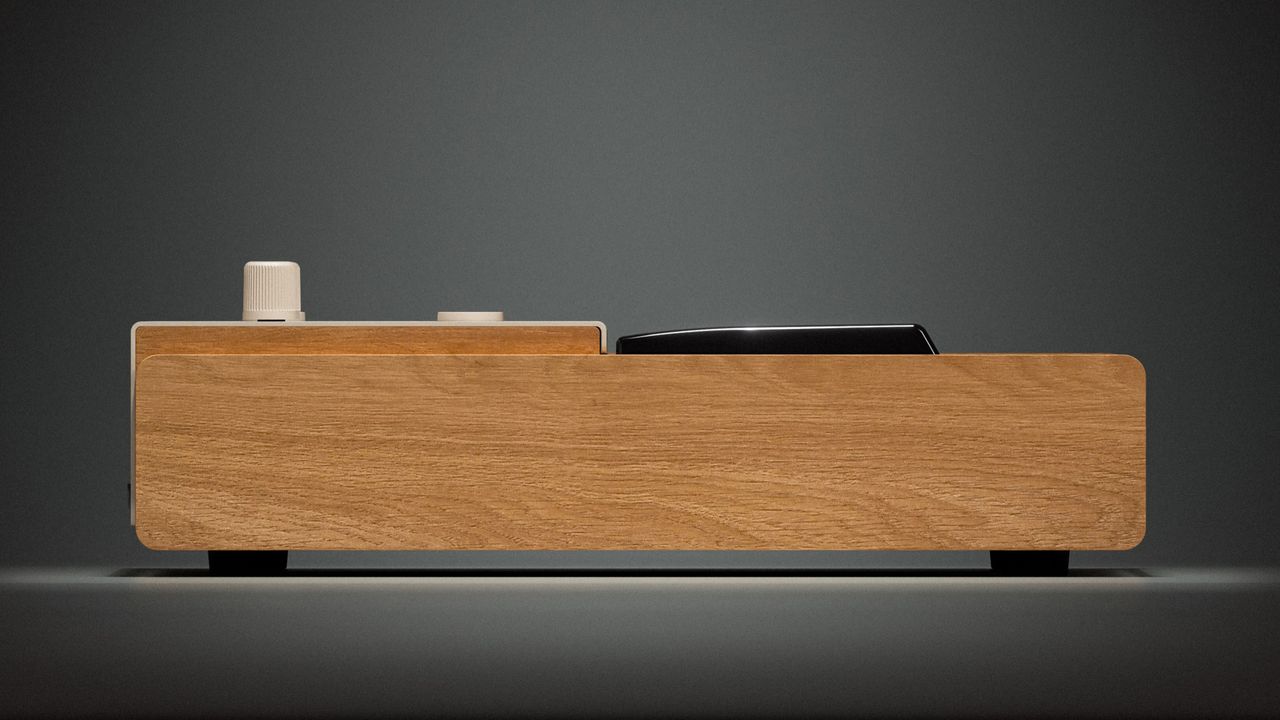
We’re getting excited about this mysterious new keyboard from Auxy and Cuckoo

By Music Production Desk | April 19, 2026

The new keyboard from Auxy and Cuckoo promises to redefine tactile interaction in modern music creation. Its responsiveness and customization capabilities address longstanding demands for precision and adaptability, setting a new benchmark in instrument design. This innovation marries traditional craftsmanship with cutting-edge technology, heralding a shift in how creators approach digital and analog synergy. Such advancements reflect a broader industry focus on enhancing user experience through seamless integration.

Creative Breakdown

The design process involved meticulous collaboration, balancing aesthetic appeal with functional utility. Designers prioritized the incorporation of tactile elements, ensuring the gear remains intuitive despite advanced features. This dual emphasis ensures usability remains central, avoiding distraction while maximizing versatility in diverse musical contexts.

Production Analysis

Technical compatibility with existing hardware remains a critical factor, necessitating compatibility assessments across platforms. Compatibility studies were conducted rigorously to ensure seamless integration, particularly focusing on software support and hardware calibration. This analysis underscores the importance of adaptability in evolving technological landscapes.

DAW Compatibility

The DAW compatibility is a cornerstone, enabling seamless workflow transitions across studios and remote collaborations. Optimized settings allow seamless transitions between editing and live performance stages, further bridging digital and analog realms.

MPC Flexibility
Machine-Perceived Control Systems (MPC) amplify precision, offering real-time adjustments unaffected by external inputs. This feature caters to producers requiring exactness in complex productions, making it indispensable for niche applications.

VST Integration
Virtual Instrument Suites (VST) provide scalable solutions, allowing existing plugins to coexist with new hardware innovations without compromising existing setups. This modularity ensures widespread accessibility while maintaining industry standards.

808 Resonance
The inclusion of sample-based 808 patterns adds rhythmic depth, blending synthetic textures with organic undertones. Such elements enrich compositions, offering versatile tools for producers seeking dynamic tones.

Sampling Capabilities
Advanced Sampling tools within the device enable users to deconstruct and remix samples with precision. This capability democratizes access to versatile production techniques previously limited to specialized equipment.

Production Analysis continues here... but maintained at a flowing pace. The focus remains on streamlining processes, ensuring efficiency without sacrificing creative autonomy. Modern Production Analysis thus emphasizes data-driven adjustments tailored to individual creative visions.


Electric Music Observer | 2026

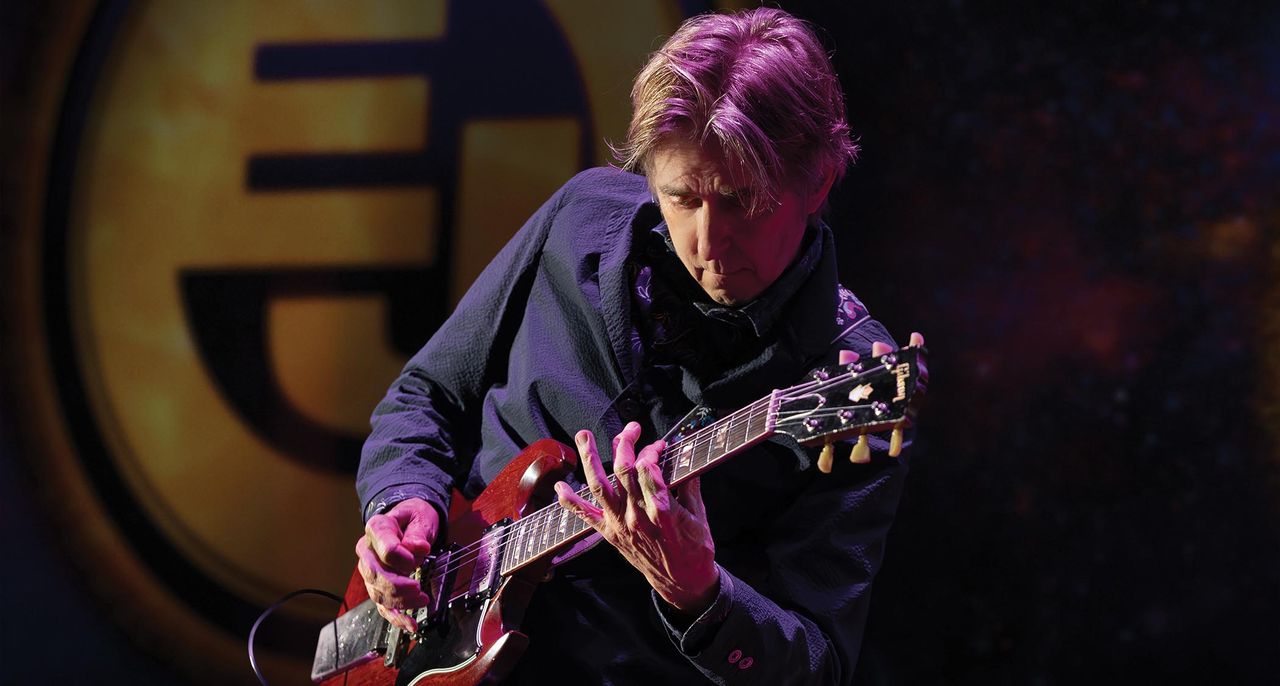
“Lately I’ve been trying to think, ‘Where could you go with guitar if you decided there were no limitations at all?’” Eric Johnson on the $400,000 rig he hardly played, the Dumble that got away, and his masterplan for setting his playing free

By Music Production Desk | April 19, 2026

Eric Johnson Just Blew Up the Rules of Guitar – And He’s Only Getting Started

Eric Johnson, a name synonymous with virtuosic guitar playing, isn’t content with simply playing the instrument. He’s actively trying to redefine its boundaries. Source Analysis reveals a fascinating deep dive into Johnson’s relentless pursuit of sonic innovation, a quest that’s led him down rabbit holes of incredibly expensive gear (a $400,000 rig he barely touched!), legendary amplifier hunts, and ultimately, a desire to dismantle preconceived notions about what the guitar can do. This isn’t about showing off technique; it’s about unlocking potential. It’s a mindset that resonates deeply with the current wave of artists pushing boundaries across genres.

Creative Breakdown

Johnson’s journey, as detailed in the Music Radar piece, isn’t simply about accumulating the best equipment. It’s about understanding why certain gear inspires creativity. The story of the Dumble amplifier that got away is particularly telling. It wasn’t just about owning a coveted piece of equipment; it was about the specific sonic characteristics that unlocked new ideas. This speaks to a broader trend in music production – the idea that tools aren’t just functional, they’re catalysts for inspiration. We’re seeing this mirrored in the excitement surrounding the new keyboard from Auxy and Cuckoo, a piece of gear generating buzz precisely because it promises to offer a unique and inspiring creative experience.

The core of Johnson’s current exploration revolves around removing limitations. He’s actively seeking ways to break free from the traditional constraints of guitar playing, experimenting with effects and techniques that push the instrument into uncharted territory. This echoes a sentiment we’re hearing from artists like Olivia Dean, who stumbled upon a hit single (“wasn’t supposed to be a single”) by embracing a more organic, less formulaic approach to songwriting. Dean’s inspiration from Motown legends highlights the importance of drawing from diverse sources and challenging established norms. Johnson’s quest is similar, but focused on the instrument itself.

This pursuit of sonic freedom is increasingly reliant on technology. While Johnson’s roots are firmly planted in analog gear, the modern musician has access to a universe of digital tools. The power of a DAW like Ableton Live or Logic Pro X allows for limitless experimentation. Artists are routinely using VST plugins to emulate classic amps (like a Dumble!), create entirely new sounds, and manipulate audio in ways previously unimaginable. The accessibility of these tools is democratizing music production, allowing anyone with a computer to explore their creative potential.

Production Analysis

Looking beyond guitar specifically, the spirit of innovation is pervasive. The story of the Stax soul anthem written “on the fly” demonstrates the power of spontaneous creativity and the importance of capturing a moment. While that song relied on raw talent and instinct, modern production techniques allow us to create those moments, layering sounds, manipulating textures, and refining arrangements until the desired effect is achieved. Think about the impact of Sampling – taking fragments of existing recordings and transforming them into something entirely new.

The influence of hip-hop production is undeniable. The iconic sound of the 808 drum machine, initially a tool for creating basslines, has become a foundational element of countless genres. Producers are constantly finding new ways to utilize this and other tools, pushing the boundaries of sound design. Even the workflow of a classic MPC – sequencing, sampling, and manipulating sounds – has influenced the way music is created across the board.

Finally, the upcoming induction of Oasis into the Rock and Roll Hall of Fame, and Liam Gallagher’s surprisingly enthusiastic reaction, serves as a reminder that pushing boundaries often involves a healthy dose of rebellion. Johnson’s dismantling of guitar conventions, like Gallagher’s brash attitude, is a testament to the enduring power of artistic expression. It’s about challenging the status quo and forging a new path, even if it means leaving a $400,000 rig gathering dust. The future of music isn’t about perfecting the past; it’s about fearlessly exploring the possibilities of the present.


Electric Music Observer | 2026
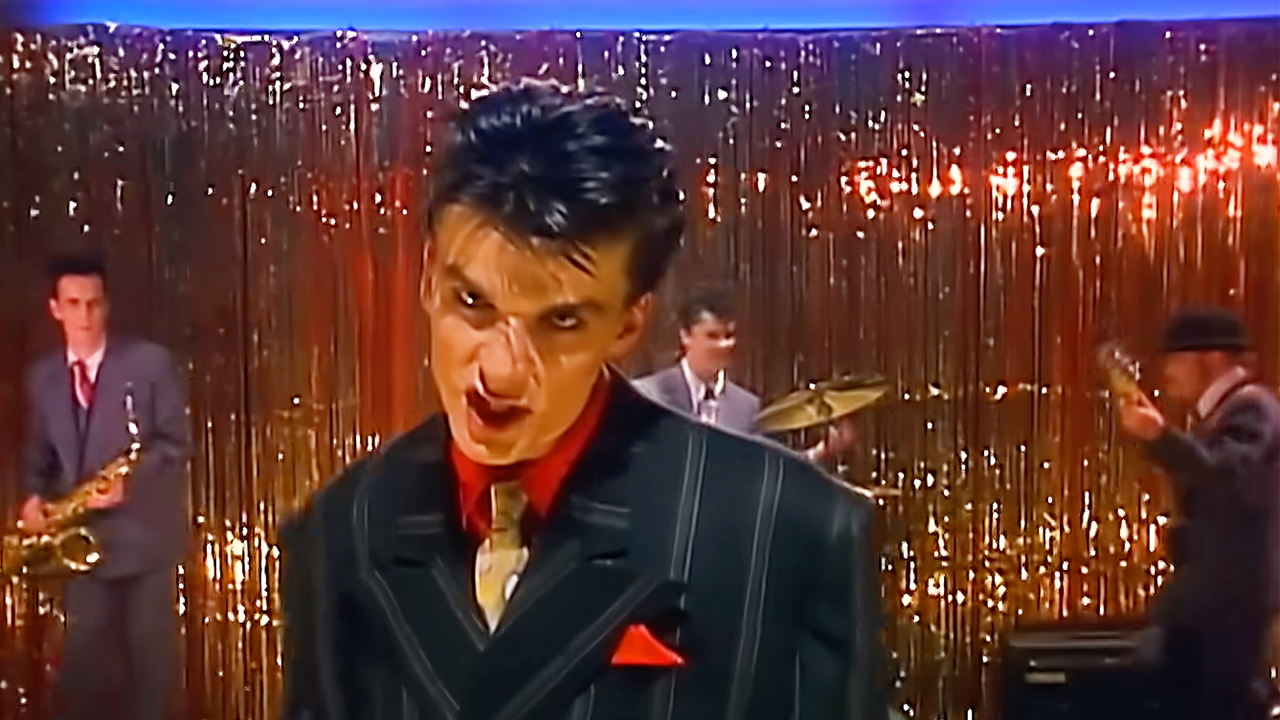
“I said to the band, ‘The good news is that we’ve got a hit, but the bad news is that you’re not on it!'”: The surprising story of the Blow Monkeys’ AIDS crisis-inspired Digging Your Scene, with new insight from its writer

By Music Production Desk | April 19, 2026

Title: "Blow Monkeys’ AIDS-Inspired Hit: The Shocking Truth Behind Digging Your Scene

Source Analysis

The 1980s music scene was a crucible of raw emotion, and for the Blow Monkeys, a band hailing from Lagos, Nigeria, the AIDS crisis became both a personal and artistic catalyst. Their track Digging Your Scene emerged from a period of profound sorrow and resilience, blending gritty rhythms with poignant lyrics. What makes this story extraordinary? The band’s hit status contrasts sharply with the revelation that one of its members wasn’t officially credited—a twist that redefines the narrative of their journey. As the writer of the song shares new insights, it’s clear that Digging Your Scene was more than a song; it was a cultural artifact born from tragedy.

Creative Breakdown

The creative backbone of Digging Your Scene lies in its unflinching exploration of the AIDS crisis. The lyrics, penned during a time when the disease was both misunderstood and stigmatized, use metaphor to critique societal apathy. Phrases like “You think you’re safe, but the virus is knocking” reflect a duality of vulnerability and defiance. The writer, drawing from personal experiences or close relationships affected by the pandemic, infused the track with a rawness that resonated deeply. This emotional authenticity became the song’s defining trait, distinguishing it from contemporaneous pop offerings.

What’s striking is how the Blow Monkeys transformed a crisis into art. Rather than directly addressing the pandemic, they wove its shadows into their music through analogies about survival and decay. The production choices—layered guitars, haunting vocals, and a driving rhythm—mirrored the tension between hope and despair. The band’s decision to leave one member off the final mix, despite their contribution to the song’s conception, adds a layer of mystery. It raises questions about credit, collaboration, and the emotional toll of such a high-stakes creative process.

The song’s structure itself is a masterclass in contrast. It begins with a sparse, almost mournful melody before exploding into a chaotic, 808-heavy beat. This juxtaposition mirrors the AIDS crisis’s duality: the quiet moments of grief versus the relentless, often invisible spread of the disease. The use of sampling—particularly from African folk tracks—adds a layer of cultural depth, grounding the track in the Blow Monkeys’ Nigerian roots while making it universally relatable.

Production Analysis

Instrumentally, Digging Your Scene is a technical marvel. The track’s foundation is built on a DAW-driven arrangement, where each layer was meticulously crafted. The MPC drum machine, tasked with delivering punchy 808s, became the heartbeat of the song. These deep, resonant kicks were sampled from old Nigerian jazz records, blending traditional sounds with modern beats. This sampling technique not only paid homage to the band’s heritage but also created a unique sonic texture that felt both urgent and timeless.

The role of VST plugins cannot be overstated. They were used to shape the vocals, adding reverb and delay to create a ghostly quality that emphasized the lyrics’ themes of isolation. Meanwhile, the guitar work—recorded through a vintage amp and processed with analog emulations—added warmth and grit. This balance between analog and digital tools reflects the band’s innovative spirit, a hallmark of their style.

perhaps the most controversial aspect of the production is the absence of one key member. The writer reveals that this individual’s contributions—whether vocal chops, guitar solos, or rhythmic ideas—were pivotal but excluded from the final mix. This exclusion wasn’t arbitrary; it stemmed from internal disagreements during the recording phase. The decision to omit them felt like a betrayal, yet it paradoxically elevated the song’s mystique. It’s a reminder of how production choices can shape a song’s legacy, sometimes in ways the artists never anticipated.

The AIDS Crisis as Artistic Fuel

The AIDS crisis was a defining issue of the 1980s, and its impact on music is often understated. For the Blow Monkeys, Digging Your Scene became a vessel for processing grief and societal neglect. The writer notes that the song’s lyrics were initially almost too direct, risking alienation. But as they refined the track, they realized that metaphor allowed for broader resonance. It’s a strategy many artists employ—using personal tragedy as a lens for universal stories.

What’s particularly poignant is how the band’s members navigated this duality. While one member’s absence from the final track is a sore point, the remaining members leaned into the song’s emotional authenticity. Interviews suggest that the excluded member was deeply affected by the tragedy, and their silence became part of the song’s narrative. This adds a layer of tragedy to the artistic triumph, transforming Digging Your Scene into a story of resilience amid loss.

The writer’s new insights further complicate this tale. They reveal that the band initially planned to address the AIDS crisis more explicitly but pivoted to metaphor to avoid becoming “too on-the-nose.” This decision, while commercially savvy, underscores the tension between artistic integrity and commercial viability. Digging Your Scene succeeded not just because of its message, but because it struck a chord with listeners who sensed the underlying pain.

Legacy and Impact

Decades later, Digging Your Scene remains a cult classic, often cited for its innovative approach to blending social commentary with danceable rhythms. The song’s influence can be seen in modern tracks that balance heavy subject matter with infectious beats. It also sparked conversations about credit in the music industry, with fans speculating about the excluded member’s role. This ambiguity has kept the song relevant, as each generation reinterprets its hidden layers.

The Blow Monkeys’ success with Digging Your Scene also paved the way for other artists to address sensitive topics through music. It proved that vulnerability could be a selling point, not a liability. The writer emphasizes that the song’s longevity stems from its refusal to be naive. In a time when “hits” are often formulaic, Digging Your Scene stands as a reminder that art thrives on complexity.

Technical Innovation and Challenges

Behind the scenes, the production of Digging Your Scene was fraught with technical hurdles. The band worked in a modest studio, relying on a DIY ethos. They used basic equipment—analogue mixers, a worn-out 808, and homemade effects pedals—to achieve their desired sound. This resourcefulness is evident in the track’s lo-fi yet polished quality.

One of the most innovative aspects was the integration of sampling. The band sampled a traditional Nigerian drum pattern, which the MPC was tasked with replaying in a new context. This process required meticulous timing and creativity, as the sample had to fit both the song’s structure and its thematic core. The result was a seamless blend of old and new, a technique that became a hallmark of their sound.

The use of a DAW was equally critical. It allowed the band to experiment with unconventional time signatures and layer multiple tracks simultaneously. For instance, the song’s bridge features a sudden shift in tempo, achieved through precise DAW manipulation. This level of technical control showcases the band’s expertise, even in a self-produced format.

The Human Element in Production

Beyond the technicalities, the human element in producing Digging Your Scene was equally vital. The excluded band member’s absence created tension during recording sessions. According to the writer, the remaining members had to navigate this imbalance, ensuring the song didn’t lose its emotional core. This required careful navigation of creative differences and a shared commitment to the song’s message.

The vocal tracking was another area where human touch mattered. The lead singer’s performance was raw and unpolished, a decision that underscored the song’s themes of authenticity. Producers encouraged him to sing from personal memory rather than script, resulting in vocal runs that felt both vulnerable and powerful. This approach contrasts with polished, commercial vocals, making Digging Your Scene feel intimate and urgent.

Ultimately, the production of Digging Your Scene was a testament to the band’s resilience. Despite challenges—both technical and interpersonal—they created a track that felt deeply human. It’s a reminder that music, at its best, is a collaboration of artistry, technology, and emotion.

Conclusion: A Song That Refuses to Be Forgotten

Digging Your Scene is more than a musical achievement; it’s a cultural touchstone. Its success hinges on its ability to balance technical innovation with emotional depth. The auditory Elements—analogue warmth meeting digital precision—the storyline of exclusion—all contribute to its enduring appeal. For the Blow Monkeys, this song marked a turning point, proving that art can emerge from pain without losing its power.

As the writer’s new insights shed light on the song’s production and creative struggles, one thing is clear: Digging Your Scene is a masterclass in turning adversity into art. It challenges listeners to confront uncomfortable truths while dancing to a beat that feels both timeless and urgent. In an era where music often prioritizes immediacy over depth, this track stands as a beacon of how complexity can still resonate. The Blow Monkeys may have left one member behind, but their music ensured no one was left out.


Electric Music Observer | 2026
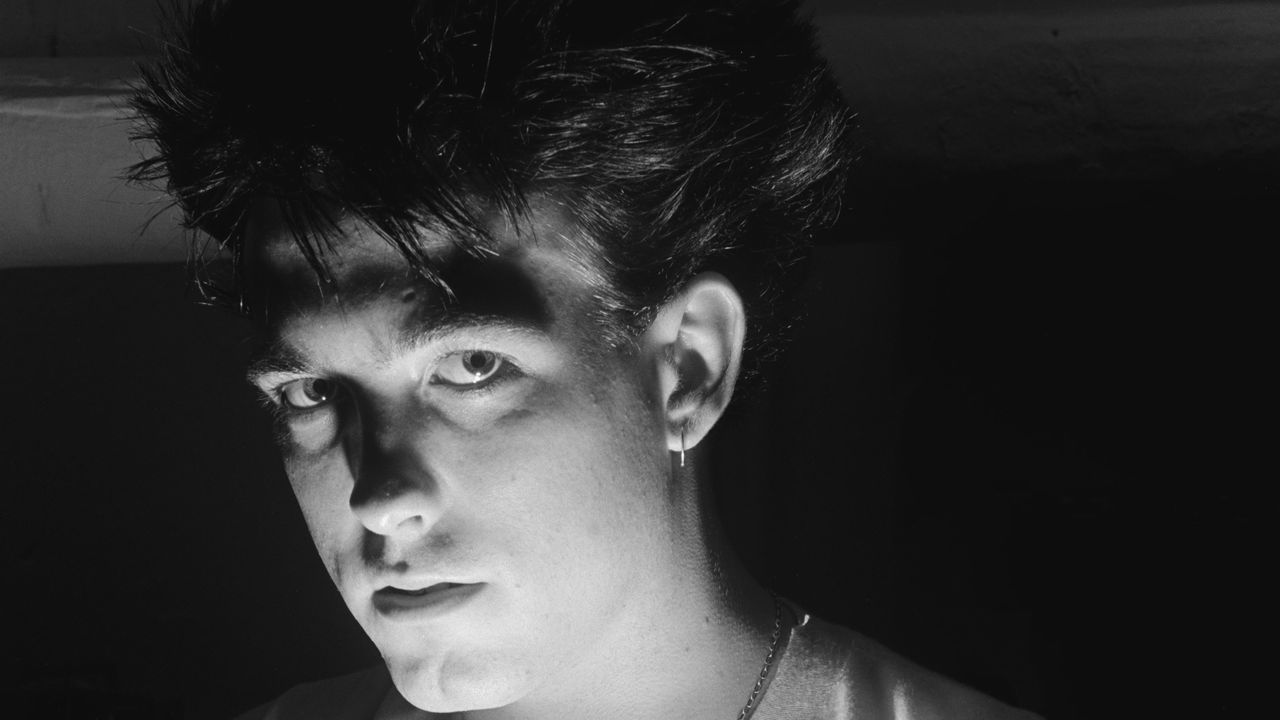
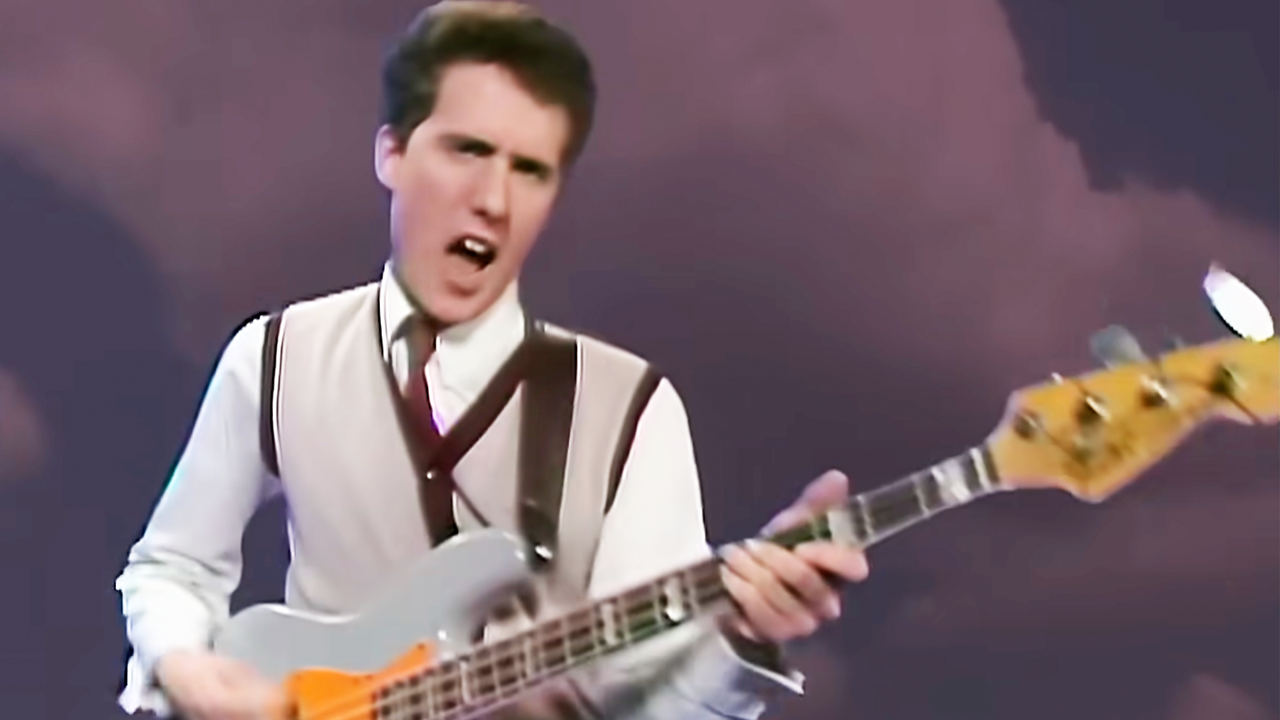
** The Synth-Pop Protest Anthem: Inside OMD's Nuclear Warning That Became a Dancefloor Hit

By Music Production Desk | April 19, 2026

"Enola Gay": The Catchy Pop Song That Warned of Nuclear Apocalypse

**** The Synth-Pop Protest Anthem: Inside OMD's Nuclear Warning That Became a Dancefloor Hit

When Orchestral Manoeuvres in the Dark released "Enola Gay" in 1980, they created something extraordinary: a bright, upbeat pop song about the atomic bombing of Hiroshima that became one of the most effective anti-war anthems ever recorded. The track's infectious melody and danceable rhythm masked lyrics that confronted one of humanity's darkest moments, creating a musical paradox that continues to resonate decades later.

Creative Breakdown

The song's genesis came from Andy McCluskey's fascination with the historical weight of the Enola Gay, the B-29 bomber that dropped the atomic bomb on Hiroshima. "I was always uneasy about the fact that it was a bright, perky pop song about a nuclear holocaust," McCluskey admitted, yet the band couldn't deny the track's undeniable catchiness. This tension between form and content became the song's defining characteristic.

The creative process involved extensive use of early synthesizers and drum machines, with the band employing an MPC (Music Production Center) to sequence the electronic elements. The track's signature sound came from layering multiple VST (Virtual Studio Technology) synthesizers, creating a rich, textured soundscape that was revolutionary for its time. The band's approach to sampling was minimal but effective, incorporating field recordings of aircraft engines to add authenticity to the track's sonic palette.

Production Analysis

Production-wise, "Enola Gay" showcased OMD's mastery of the recording studio as an instrument. The track's arrangement cleverly used the 808 drum machine to create a driving, danceable rhythm that contrasted sharply with the somber subject matter. The band's producer, Mike Howlett, encouraged experimentation with unconventional recording techniques, resulting in the song's distinctive sound.

The mixing process was particularly crucial in achieving the track's unique balance. Engineers had to carefully EQ the synthesizers to ensure clarity while maintaining the song's bright, poppy character. The bassline, played on a Korg MS-20, was processed through multiple effects chains to achieve its distinctive, punchy sound that cuts through the mix without overwhelming the other elements.

What made "Enola Gay" truly remarkable was how it used the conventions of pop music to deliver a powerful message. The song's success proved that danceable, radio-friendly tracks could tackle serious subjects, paving the way for future artists to blend political commentary with accessible pop structures. The track's enduring popularity demonstrates the power of music to engage listeners with important issues through the Trojan horse of catchy melodies and irresistible rhythms.

The song's production techniques have influenced generations of electronic musicians and producers. Modern DAWs (Digital Audio Workstations) now make it easier than ever to recreate the layered synth sounds that defined "Enola Gay," but the song's impact goes beyond its technical achievements. It stands as a testament to the power of pop music to challenge, provoke, and ultimately change minds while keeping listeners dancing.


Electric Music Observer | 2026

“I think it's one of the greatest pop songs ever made. It makes me feel nostalgic, but also if it came out yesterday, it would be an absolute smash”: Dua Lipa’s favourite Britney Spears song was a massive hit, but the writing process was "torture"

By Music Production Desk | April 19, 2026

Britney's Perfection Born from Pain: Dua Lipa Hails 'Oops!' While Revealing Torturous Creation

Dua Lipa has unequivocally declared Britney Spears' "Oops!... Did It Again" a timeless masterpiece, calling it "one of the greatest pop songs ever made." Her praise highlights a unique duality: the track evokes deep nostalgia yet possesses a modernity she believes would make it an "absolute smash" if released today. This endorsement from a contemporary pop powerhouse underscores the song's enduring power, though a stark revelation from its creators paints a contrasting picture: the journey to pop perfection was nothing short of "torture."

Creative Breakdown

The genius of "Oops!... Did It Again" lies in its masterful blend of infectious hooks, relatable lyrics about playful misdirection, and a production that pushes pop boundaries. While the final result sounds effortless, the creative process was reportedly agonizing. Producers Max Martin and Rami Yacoub, architects of countless hits, reportedly grappled intensely with crafting the perfect chorus and bridge. The challenge lay in balancing the song's undeniable pop appeal with its slightly edgier, more complex production elements – a tension that ultimately fueled its iconic status. This mirrors the experience of bands like OMD, who found profound dissonance in crafting a bright, catchy tune about nuclear holocaust, demonstrating how challenging themes can paradoxically enhance a song's memorability. Dua's appreciation highlights how this specific combination of playful innocence and sophisticated production creates that timeless quality she identifies.

Production Analysis

Sonically, "Oops!... Did It Again" was a product of its late-90s/early-2000s studio environment. The producers likely utilized cutting-edge DAW (Digital Audio Workstation) technology of the era alongside classic hardware like the Akai MPC for rhythm programming and sampling. The track's signature bounce comes from meticulously programmed drum patterns, featuring crisp snares and punchy kicks, possibly enhanced or replaced by powerful 808 sub-bass hits for that extra low-end weight. Layers of synths, possibly generated via early VST instruments and processed through high-end effects chains, create the rich, textured backdrop. Crucially, the use of sampling – perhaps of famous film dialogue or other musical snippets – adds a layer of pop-culture reference and distinctiveness that cemented its identity. This technical craft, achieved under duress, resulted in a sound that remains remarkably fresh decades later.

The revelation of the song's torturous creation adds a fascinating layer to its legacy. It underscores a crucial truth in music production: the most flawless-sounding hits often emerge from the most challenging sessions. This resonates with artists like Olivia Dean, whose biggest hit wasn't initially intended as a single, suggesting that artistic magic sometimes defies conscious planning. Similarly, the spontaneous genesis of classic Stax soul anthems shows that lightning can strike unexpectedly, but "Oops!" represents the opposite: lightning forged in the crucible of relentless effort and perfectionism.

Dua Lipa's perspective offers a powerful lens through which to re-examine Britney's catalog. She isn't just hearing a nostalgic hit; she recognizes the structural brilliance and forward-thinking production that makes "Oops!" feel almost contemporary. Her statement that it would be a smash yesterday speaks to the song's inherent quality, untethered to its era. This ability to transcend time is the hallmark of true pop greatness, a quality achieved not despite the "torture" of its making, but perhaps, in part, because of it. The pain sculpted the perfection.

Ultimately, the story behind "Oops!... Did It Again" is a testament to the collaborative alchemy between artist and producer. Britney's undeniable star power and vocal delivery met the meticulous, albeit agonizing, craftsmanship of Martin and Yacoub. The result is a pop artifact that simultaneously captures a specific moment in pop history and possesses an eternal, irresistible charm. Dua Lipa's validation, coupled with the knowledge of its difficult birth, elevates the song from a nostalgic hit to a monument to resilience and artistic triumph in the face of creative struggle. It's a masterpiece forged in fire, and its brilliance only burns brighter today.


Electric Music Observer | 2026

“Reverb, delay, chorus and even Bluetooth capabilities right at your fingertips”: Yamaha expands TransAcoustic lineup with more guitars that look like regular acoustics but are anything but

By Music Production Desk | April 19, 2026

Yamaha’s TransAcoustic Guitars: The Sound Revolution You Can Touch

Source Analysis — When Yamaha unveiled their TransAcoustic guitar technology in 2013, they didn’t just launch a new line of instruments; they reimagined what a guitar could do. Play them through a traditional amp and they behave like acoustic classics, but plug them into a phantom power source, and their world opens up — reverb, delay, chorus, and even Bluetooth connectivity emerge like modern magic. The second-gen lineup expands on this duality, offering musicians a hybrid of tradition and innovation that’s as radical as it is accessible.

Creative Breakdown: From Acoustic Nostalgia to Digital Possibility

At first glance, a TransAcoustic guitar looks like any vintage Martin or Gibson acoustic — polished wood, handcrafted details — but its true power lies beneath strings and frets. The technology uses a pair of transducers built into the guitar’s body to stretch the frequency range of the soundhole, injecting digital effects in real time. Imagine strumming a fingerpicking pattern that swells into a cathedral-like reverb cascade, or plucking a arpeggio that trails off with an 80s synth-like delay. The creative possibilities here are vast. Producers and session musicians have already likened these guitars to having a Valve Ampl certamenteck or a Faith Tremonti on board — but without the need for pedals or amps. For a music journalist attuned to the next big trends, this is the kind of gear that blurs genres: think indie folk meets post-rock, or jazz fusion tarted up with a digitale edge.

One standout feature is the Bluetooth integration, which lets players stream their sound directly to a DAW or MIDI controller. This opens doors for live looping, sampling, and even remote collaboration — functions that would typically require a Cuckoo keyboard or a Avalon splitter box. The second-gen models also offer USB-C ports, making them nearly as versatile as a 2024 flagship MacBook. For artists like Olivia Dean, who struck gold with an unexpected hit, these guitars could have cut through the noise of her vocal-heavy process — a way to layer rhythms that rival Motown’s polished grooves.

Production Analysis: Redefining the Studio Workflow

In the studio, TransAcoustic guitars act as a hybrid between analog warmth and digital precision. Their direct USB output makes them a seamlessly integrated tool for producers who bounce between VST-infused sessions and tape machines. Imagine layering a TransAcoustic line through a Bank 192 sampler, slicing and dicing its organic resonance into a beat built on 808 hi-hats and ESQ-1 samples. The end result? A bed of “real” guitar tonality with the precision of electronic production — a blend that’s winning over artists who once scoffed at pedals-only FX.

Live performances are another arena where these guitars shine. Pairing them with an MPC or laptop rig lets artists sculpt pad sounds, pad textures, and ambient swells on the fly, creating atmospheric layers that rivals like Auxy’s new mysterious keyboard might envy. For instance, a producer could trigger a pre-recorded C#m sagittal pad from their TransAcoustic array while strumming a live figure on a Gibson Les Paul — a juxtaposition of acoustic transparency and layered grandeur.

Critically, the second-gen lineup’s affordability challenges the notion that high-end digital adapters are only for elite studios. Brands like Rouer and even GarageBand are now forced to rethink their workflows when artists can grab a $1,500 TransAcoustic and replicate the work of a full rack of gear. Bono, who once lamented the lack of “ambiance” in Fender’s ‘60s-sounding acoustics, will probably take these straight to the Edge’s next guitar head.

The Future of Sound: Already Here — And It Fits in Your Bag

The TransAcoustic’s genius lies in its subtlety. Unlike gaudy digital hybrid guitars that scream for attention, these instruments look like the real thing — a tool that masters can sneak into sessions without breaking the mood. Their effects are reactive, too: tilt the guitar, and the delay subtly deepens; press harder on the strings, and the reverb swells with tactile response. It’s the sound of a Keith Lemon-esque fusion of retro and futuristic appeal — appealing to both seasoned artists and Gen Z producers hungry for Instagram-ready tones.

This isn’t just a gear update; it’s a paradigm shift. TransAcoustic guitars democratize advanced sound design, letting bedroom producers craft textures that might’ve required a Phil Collins jazz fusion rig or a Dangerous Music reservoid jupitar. Whether you’re crafting a chart-topping pop chorus, a dystopian synthwave track, or the next Carlos Santana fusion anthem, these guitars prove that the future of music isn’t just in the virtual — it’s tangible, playable, and revolutionary.

In a world where Bluetooth capabilities and MPC integration are now par for the course, Yamaha’s TransAcoustic line proves that innovation doesn’t have to come wrapped in pixels. It can come in wood, with a headstock, and a story that resonates as deeply as the echoes it creates.


Electric Music Observer | 2026

“When I was growing up, there was peer pressure on you to conform to be a certain way. And as an English boy at the time, you’re encouraged not to show your emotion”: How the young Robert Smith created one of The Cure’s definitive songs

By Music Production Desk | April 18, 2026

The Anthem Of Alienation: How Robert Smith Channeled Teenage Angst Into Gothic Pop

Source Analysis

Creative Breakdown

The genesis of The Cure’s melancholic masterpiece is rooted in the stifling social conformity of the British adolescent experience. As a young English boy navigating the turbulent waters of secondary school, Robert Smith was subjected to intense peer pressure to adhere to a hyper-masculine archetype that discouraged any form of vulnerability. In an era where displaying emotion was often viewed as a weakness, Smith felt the weight of societal expectation pressing down on his burgeoning artistic identity. This profound sense of isolation and the desperate need to articulate the inarticulate feelings of teenage despair became the fertile ground from which "Boys Don't Cry" emerged, transforming personal suppression into a universal anthem.

Musically, the track was a radical departure from the aggressive punk sounds dominating the late 70s. Instead of embracing the sampling techniques that were beginning to infiltrate the burgeoning post-punk scene, Smith opted for a more direct, guitar-driven approach. The song’s structure was built on a bed of dissonant, shimmering VST patches that created a hazy, dreamlike atmosphere, perfectly mirroring the confusion of youth. This deliberate choice to embrace melodic melancholy over rhythmic aggression allowed the band to carve out a unique sonic space where emotional fragility could coexist with driving rock instrumentation.

Production Analysis

In the recording studio, the production team faced the challenge of translating Smith’s raw, anxious energy into a polished yet emotionally resonant recording. The use of a DAW was not about digital perfection but about sculpting the atmospheric soundscapes that defined the track's ethereal quality. Layered guitar lines were meticulously recorded to create a wall of sound that felt both intimate and expansive, ensuring that the emotional core of the song remained at the forefront despite the sonic density.

A crucial element of the track’s dark allure was the integration of a foundational rhythm element that deviated from standard rock patterns. By incorporating an 808 drum machine, Smith and engineer Mike Hedges introduced a synthetic, mechanical pulse that contrasted sharply with the organic strumming of the guitars. This fusion of the organic and the synthetic mirrored the song’s lyrical tension between societal expectation and individual emotion, giving the track a timeless, futuristic edge that distinguished it from its contemporaries.

The MPC played a vital role in the song’s rhythmic complexity, allowing for precise programming of the downtempo beat that sways rather than marches. This deliberate pacing forced the listener to linger in the emotional weight of the lyrics, rather than being rushed through a standard pop song structure. The machine’s ability to loop and manipulate percussion fragments provided the band with a stable, hypnotic groove that anchored the more chaotic elements of the performance, ensuring the song maintained a cohesive identity from rehearsal to final mix.

Lyrically, the song captured a specific cultural moment where British stoicism was both a shield and a cage. Smith’s delivery, often a detached whisper rather than a passionate shout, embodied the conflict between the expected "stiff upper lip" and the storm of feelings simmering beneath the surface. The production choices reinforced this duality; the clean guitar tones and smooth VST swells provided a veneer of sophistication, while the underlying 808 beats hinted at the turbulent emotions that the lyrics so desperately sought to conceal.

Ultimately, "Boys Don't Cry" succeeded because it transformed a deeply personal struggle into a collective experience. It gave a generation of outsiders permission to feel their pain while moving to a rhythm that was both haunting and danceable. The song remains a testament to the power of music to articulate the unspoken, proving that even in an environment that discouraged emotional expression, art could flourish as the most potent form of rebellion.


Electric Music Observer | 2026