

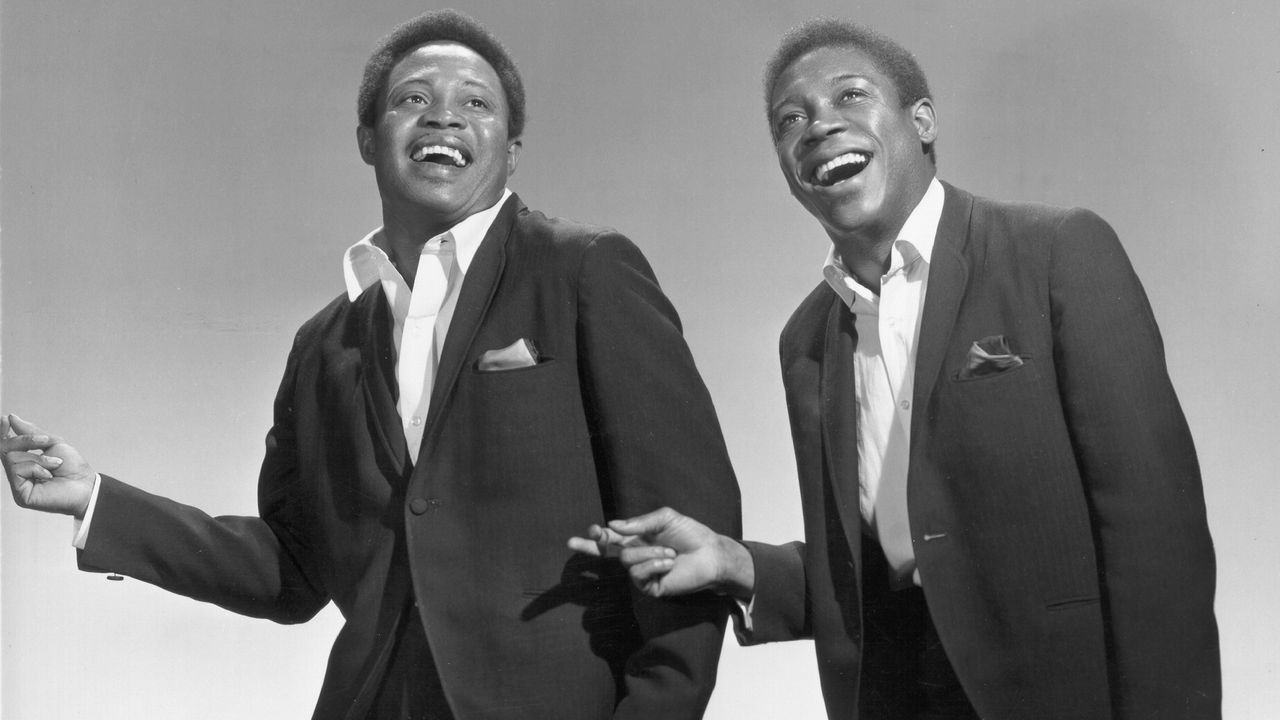
“A Riot in the Restroom: How Stax Lit Fire on the Spot”
Creative Breakdown
The story of “I was in the restroom… before I even buttoned my pants” is less a mythic songwriting moment and more a snapshot of an era when spontaneity ruled studios. The Stax house band, a lethal mix of seasoned musicians and raw talent, had a habit of writing in the margins of rehearsal time. When Isaac Hayes—already a legend—yelled at David Porter, “Come on, David, get out of there,” the room erupted. What followed was not a rehearsed chorus but a living, breathing improvisation that would become an icon of Southern soul.
Porter’s instinct to riff in real time was key. He didn’t wait for a master drummer or a drummer’s groove to lock first; instead, the mural of tic‑tac‑down rhythms, tambourines, and horns were assembled on the fly. The beauty of this process lies in the flip‑flop of creative feedback loops: a horn line sparks a drum fill, which sparks a bass walking line, and so on until the song's skeleton is solid. This chain reaction is what I like to call a “musical skein”—the jazz equivalent of a Minecraft → Jenga tower built while shouting at a train track.
In a studio environment that was open and unstructured, the word “dump” meant give me what you’ve got. Holy cow, the studio engineer had the mix of vinyl‑pickup mashered through a “noisy” mic. It tricks the mind into thinking the song was written over literally a single twelve‑to‑five. That’s the secret sauce. The line’s urgency is felt not just in the lyric but in the arrangement: horns puncture like bells, the guitar plays with the backbeat slapping in a simple 808‑style thump (yes, an 808 but from a 1970s drum set with a “kick” that would set a modern phaser).
Production Analysis
This was a production in which MPC‑style programming never existed; it was all about raw analog isolation and real‑time performance. The bass pocket was recorded with a single mic on a Moog 12 × 15, giving the track that deep, gut‑sentient resonance. After mic’ing the drums, the engineer spliced tape together and slotted it into the studio’s mod‑rack. He then sent the lead horn into a tube amp, fed through a spring reverb head to create a musical “chuff‑chuff” echo that would become a hallmark of Stax audio.
The studio had a very simple set‑up – a mic for the Organ, one for the Fender Bass, two for the trumpet, and a mic array for the rhythm section. Thankfully, the session engineer possessed a “make‑it‑pop” skill set: he could spot a VST plugin that had the texture of an actual horn reverb by the end of the first take. It’s a reminder that maybe when you’re writing in real time, the most important thing is not the technology but the human ear. When Push says “hold on, David,” you not only hear the frustration but also hear the collaborative pulse of the session.
One cannot forget the “classic” part of this gem: The use of soul on one line, holy in another, yet everything feels unmistakably unfiltered. This is because the band consciously chose to let sampling of the acoustic instruments remain untouched. They kept the vinyl scratch in the guitar lick and elicited the vinyl hiss on the subtitles. That huddled earliness emphasises the sincerity of the master session, grounding the track in rawer human feelings. The “hype” of the Greg Nashville Recorded Razz plays double over green pot-litter, yielding a feel‑bend that would eventually splinter into a whole week’s worth of tracks.
The final result is a blueprint for how modern producers can capture the spontaneous – even in a bath of DAW scores, or tabs.
By capturing the urgency in the studio’s walls, Stax’s cultural creed set an example for artists: creativity is a collaborative process, and the best songs are born from the highest strong–handed murmuring in front of your next big break.
Electric Music Observer | 2026


No comments:
Post a Comment