

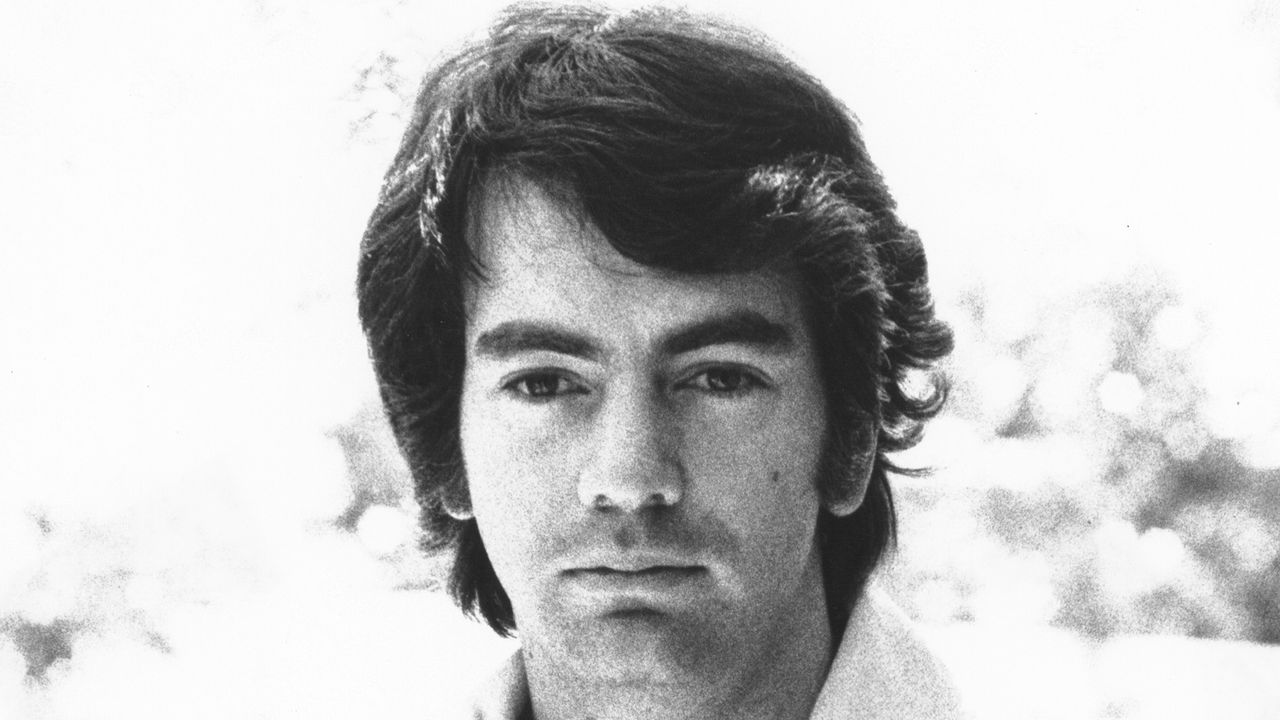
Neil Diamond’s Regrettable Anti‑Drug Anthem: The Song He Wishes He Never Wrote
In a candid interview, Neil Diamond confessed that his involvement in a New York anti‑drug programme compelled him to write a song about substance abuse—a track he now calls “terrible” and admits was met with laughter Source Analysis. The confession has sparked a wave of discussion among fans and producers alike, with many wondering how such a well‑intentioned yet clunky piece could have been salvaged with modern production tools.
Creative Breakdown
The core issue with Diamond’s anti‑drug track lies in its mismatched tonal palette. Diamond, known for soaring ballads and optimistic pop‑rock, attempted to shoehorn a moralistic message into a uptempo, radio‑friendly format. The lyric “say no to the night” feels forced, and the chorus lacks the emotional hook that his best work naturally delivers. In hindsight, a slower, more introspective arrangement—perhaps a piano‑driven ballad—would have allowed the message to breathe without clashing with the melody.
Furthermore, the song’s narrative arc suffers from a lack of specificity. Rather than painting vivid, personal vignettes of addiction’s toll, the lyrics rely on vague admonitions (“don’t let the darkness win”). A stronger creative direction would have been to incorporate real‑life testimonials or a spoken‑word segment, echoing the approach used in later anti‑war anthems like OMD’s “Enola Gay,” which turned a serious topic into a memorable pop statement while retaining its critical edge.
Production Analysis
From a modern production standpoint, the track could have been dramatically improved with the use of a DAW such as Ableton Live or Pro Tools, allowing for precise arrangement and dynamic automation. Incorporating a VST plugin like FabFilter’s Pro‑Q3 for surgical EQ could have cleaned up the muddy low‑mid frequencies that plague the original mix, while a side‑chain compressor tied to the vocal would have given the lyrics more presence in the mix.
The rhythmic foundation could have benefited from classic drum‑machine textures. A 808 kick and snare pattern, layered with a live hi‑hat, would have added a contemporary pulse without sacrificing the song’s pop sensibility. For the melodic hooks, a Sampling workflow using an MPC like the Akai MPC One could have sliced vocal ad‑libs and re‑sequenced them into a rhythmic hook, giving the track a modern, club‑ready feel while still honoring Diamond’s vocal tone.
In summary, the combination of a more introspective lyrical approach and a polished, technology‑driven production could have transformed Diamond’s well‑meaning anti‑drug anthem from a laughing stock into a compelling public‑service crossover. As producers, we can learn that good intentions alone don’t sell records; they must be matched with a sonic vision that respects both the message and the audience.
Electric Music Observer | 2026


No comments:
Post a Comment