

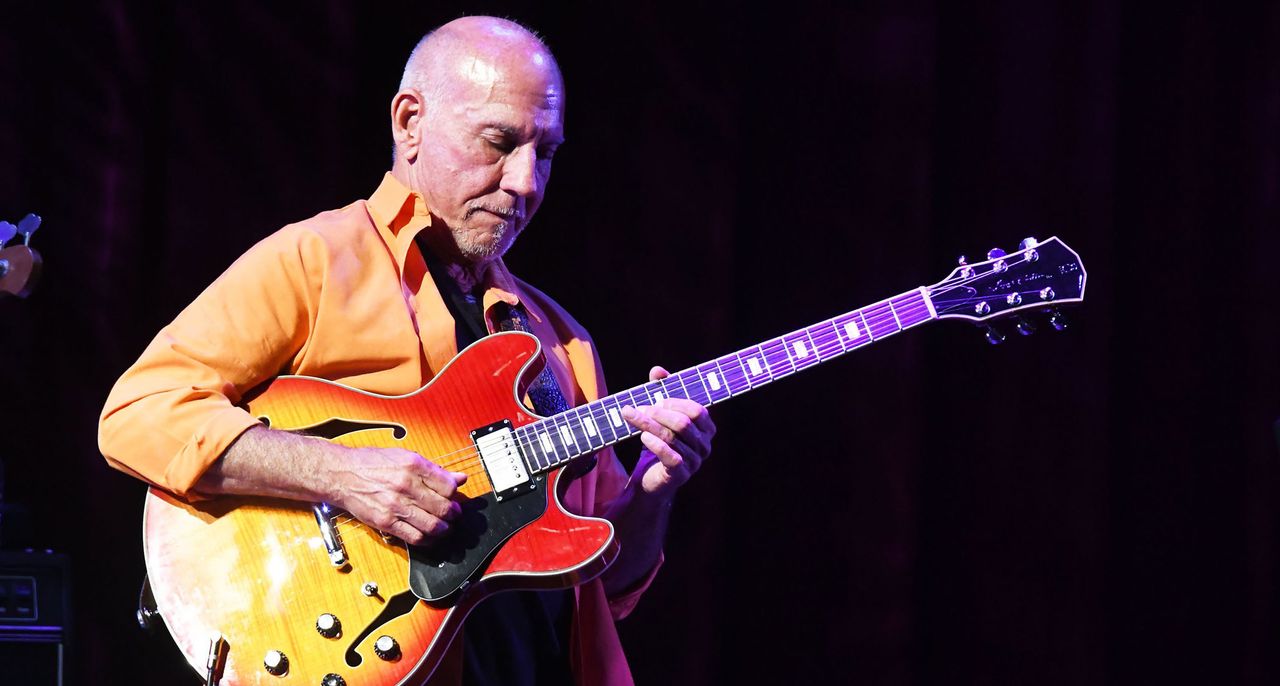
Carlton's Crucible: How a Nervous Debut with Quincy Jones Forged a Guitar Legend
The music industry is built on moments. Moments of inspiration, collaboration, and, sometimes, sheer, unadulterated pressure. Larry Carlton, the legendary session guitarist, knows this better than most. As he recounts in a recent interview Source Analysis, his initial foray into the hallowed halls of Quincy Jones’ studio was a nerve-shredding experience, a trial by fire that ultimately shaped his career. Carlton, a rising star at the time, found himself facing a titan of the industry, surrounded by a constellation of musical luminaries. He admits, with characteristic humility, "I was just a new guy, probably number nine on the list." This wasn't just a session; it was a baptism by Quincy, a test of skill and composure under intense scrutiny.
Creative Breakdown
Carlton’s story highlights a crucial element often overlooked in the polished final product: the vulnerability of the artist. Imagine walking into a room brimming with established talent, knowing your contribution is vital, yet acutely aware of your relative position. Jones, known for his meticulous approach and demanding standards, created an environment that pushed everyone to their absolute best. Carlton describes the session as a "pressure cooker," where every note had to be perfect, every nuance considered. This pressure, however, wasn't malicious; it was a catalyst for creativity. It forced Carlton to dig deep, to draw upon every ounce of his skill and musical intuition.
The anecdote reveals a fascinating dynamic: the established producer, the orchestra, and the relatively unknown guitarist. Jones’ role wasn't just to direct; it was to sculpt, to mold the performance into something greater than the sum of its parts. He understood the power of tension, the way a little discomfort can unlock extraordinary musicality. Carlton’s recollection isn’t just about a single session; it’s a window into the creative process of a master producer at the peak of his powers. It’s a reminder that even the most iconic recordings are born from a crucible of pressure and expectation.
And then there was the Michael Jackson connection. Carlton’s career trajectory took another significant turn when he was called upon to play guitar on a Jackson smash-hit. While the specifics remain tantalizingly vague, the mere association with such a global icon speaks volumes about Carlton’s growing reputation and the demand for his unique style. This demonstrates the ripple effect of a successful session – one opportunity leading to another, building a career brick by brick.
Production Analysis
Looking at this through a modern lens, it’s fascinating to consider how such a session would be approached today. While the core principles of musicality and collaboration remain the same, the tools and techniques have drastically evolved. Instead of relying solely on live instrumentation and meticulously crafted arrangements, modern producers often utilize DAWs like Ableton Live or Logic Pro X, layering tracks, manipulating sounds, and employing a vast arsenal of VST plugins. The immediacy of MPC workflows and the prevalence of Sampling have fundamentally altered the creative landscape.
The meticulous nature of Jones’ production, however, remains a benchmark. He wasn't simply recording; he was crafting sonic landscapes, carefully balancing individual performances to create a cohesive and impactful whole. Today, producers might use automation and granular synthesis to achieve similar textures, but the underlying philosophy – the pursuit of sonic perfection – remains unchanged. The rise of the 808 drum machine and its ubiquitous presence in contemporary music also highlights a shift in rhythmic sensibilities, a move away from the organic feel of live drums towards a more synthesized and controlled sound.
The legal landscape surrounding music production is also undergoing seismic shifts, as evidenced by recent headlines. Anna’s Archive’s colossal legal battle with Spotify over illegal file scraping underscores the importance of copyright protection in the digital age. Similarly, the Kraftwerk copyright case, now being adjudicated by the CJEU, is setting precedents for Sampling and fair use, potentially impacting how producers create music for years to come. These legal battles highlight the complex interplay between creativity, technology, and intellectual property.
Finally, the emergence of AI-powered tools, like the website allowing guitarists to design amps and effects tones via text prompts, demonstrates the accelerating pace of technological innovation in music production. While these tools offer exciting possibilities, they also raise questions about the role of human creativity and the potential for homogenization in music. Carlton’s story, a testament to the power of human skill and collaboration, serves as a vital reminder of the enduring value of authentic musical expression, regardless of the tools we use to create it.
Electric Music Observer | 2026


No comments:
Post a Comment