

"Enola Gay": The Catchy Pop Song That Warned of Nuclear Apocalypse
**** The Synth-Pop Protest Anthem: Inside OMD's Nuclear Warning That Became a Dancefloor Hit
When Orchestral Manoeuvres in the Dark released "Enola Gay" in 1980, they created something extraordinary: a bright, upbeat pop song about the atomic bombing of Hiroshima that became one of the most effective anti-war anthems ever recorded. The track's infectious melody and danceable rhythm masked lyrics that confronted one of humanity's darkest moments, creating a musical paradox that continues to resonate decades later.
Creative Breakdown
The song's genesis came from Andy McCluskey's fascination with the historical weight of the Enola Gay, the B-29 bomber that dropped the atomic bomb on Hiroshima. "I was always uneasy about the fact that it was a bright, perky pop song about a nuclear holocaust," McCluskey admitted, yet the band couldn't deny the track's undeniable catchiness. This tension between form and content became the song's defining characteristic.
The creative process involved extensive use of early synthesizers and drum machines, with the band employing an MPC (Music Production Center) to sequence the electronic elements. The track's signature sound came from layering multiple VST (Virtual Studio Technology) synthesizers, creating a rich, textured soundscape that was revolutionary for its time. The band's approach to sampling was minimal but effective, incorporating field recordings of aircraft engines to add authenticity to the track's sonic palette.
Production Analysis
Production-wise, "Enola Gay" showcased OMD's mastery of the recording studio as an instrument. The track's arrangement cleverly used the 808 drum machine to create a driving, danceable rhythm that contrasted sharply with the somber subject matter. The band's producer, Mike Howlett, encouraged experimentation with unconventional recording techniques, resulting in the song's distinctive sound.
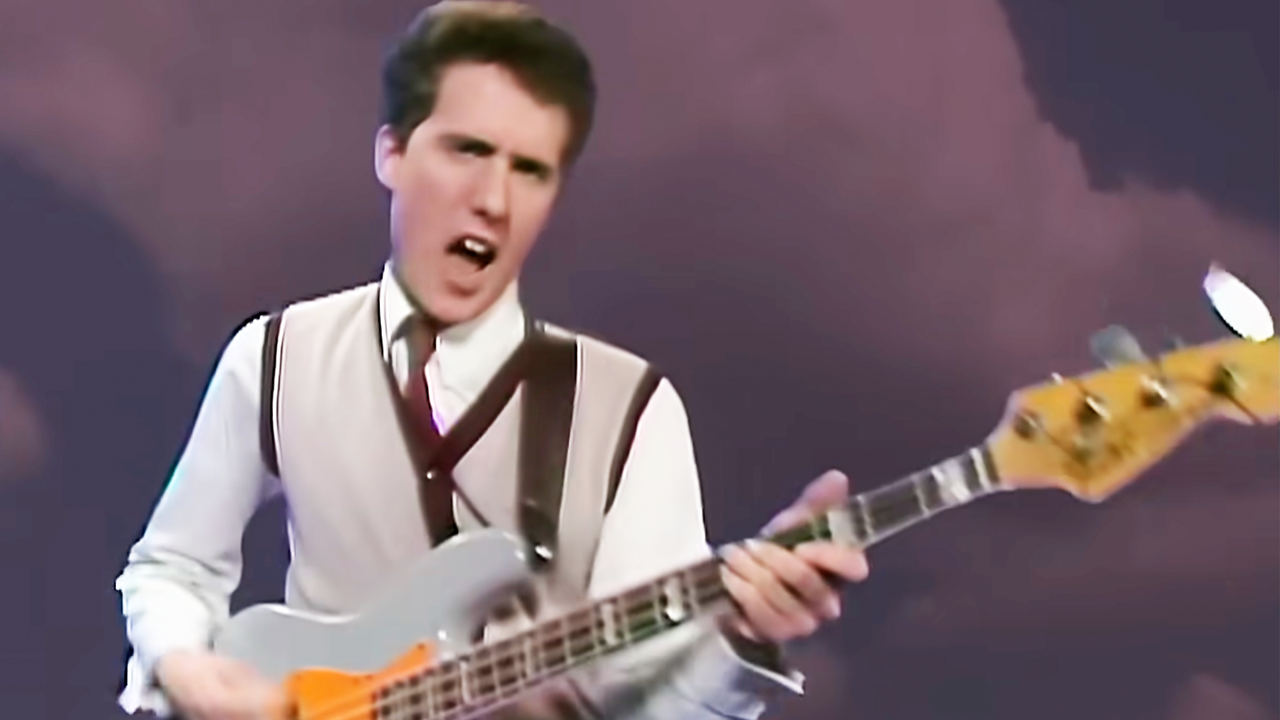
The mixing process was particularly crucial in achieving the track's unique balance. Engineers had to carefully EQ the synthesizers to ensure clarity while maintaining the song's bright, poppy character. The bassline, played on a Korg MS-20, was processed through multiple effects chains to achieve its distinctive, punchy sound that cuts through the mix without overwhelming the other elements.
What made "Enola Gay" truly remarkable was how it used the conventions of pop music to deliver a powerful message. The song's success proved that danceable, radio-friendly tracks could tackle serious subjects, paving the way for future artists to blend political commentary with accessible pop structures. The track's enduring popularity demonstrates the power of music to engage listeners with important issues through the Trojan horse of catchy melodies and irresistible rhythms.
The song's production techniques have influenced generations of electronic musicians and producers. Modern DAWs (Digital Audio Workstations) now make it easier than ever to recreate the layered synth sounds that defined "Enola Gay," but the song's impact goes beyond its technical achievements. It stands as a testament to the power of pop music to challenge, provoke, and ultimately change minds while keeping listeners dancing.
Electric Music Observer | 2026


No comments:
Post a Comment