

AI is About to Flip Music Production on Its Head: Forget Coding, Get Ready for Creative Alchemy
The music technology landscape is on the cusp of a seismic shift. For decades, crafting sophisticated sounds and intricate workflows in music production demanded a deep understanding of code. But a new wave of Artificial Intelligence tools is poised to democratize the process, fundamentally altering the relationship between musician and technology. The core concept? Replacing laborious manual coding with intuitive prompting, unlocking a new era of creative exploration. This isn't just about streamlining existing processes; it’s about unleashing a torrent of possibilities previously confined to the realm of expert programmers.
Creative Breakdown
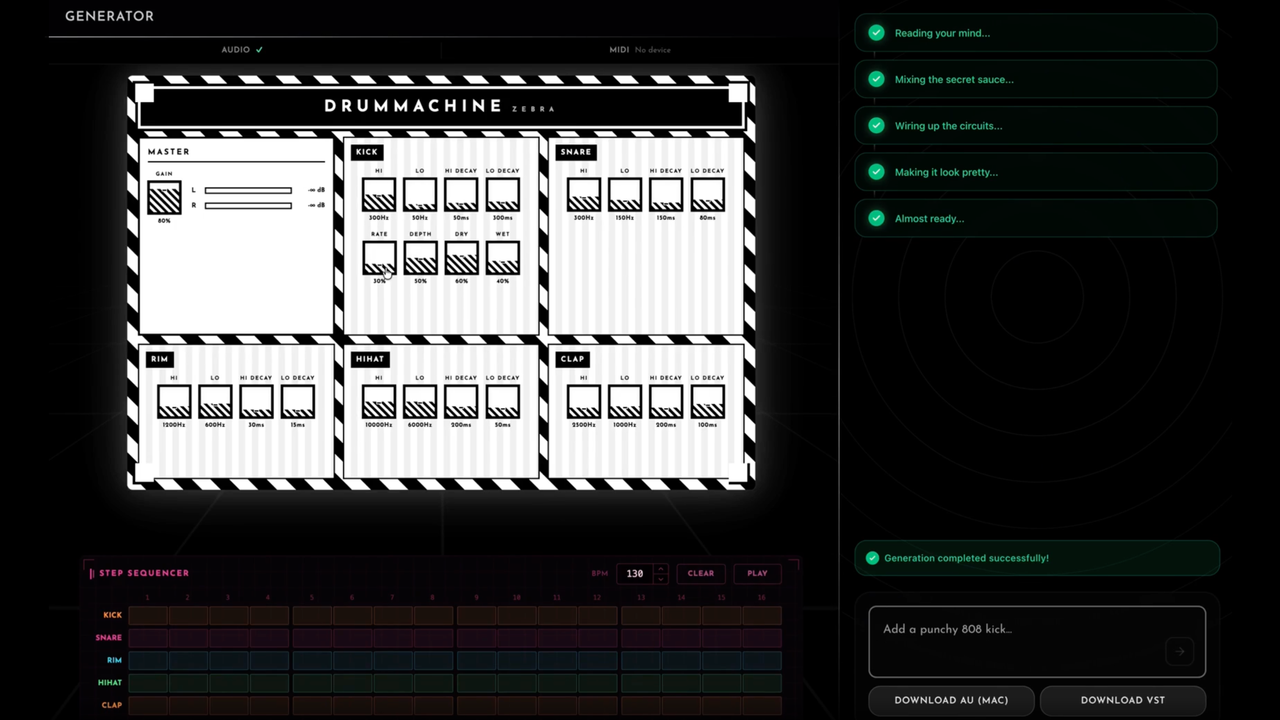
The article highlights a growing ecosystem of AI-powered plugins that allow musicians to generate custom instruments, effects, and even entire musical elements simply by describing what they want. Forget wrestling with complex scripting languages; users can now articulate their sonic visions using natural language prompts. Imagine describing a "glitchy, evolving pad sound reminiscent of early Aphex Twin," and having an AI generate a fully functional VST plugin that delivers precisely that. This transcends simple sound design; it opens doors to entirely novel sonic textures and compositional approaches.
The implications for artistic expression are profound. Musicians can now focus on the what of their sound – the emotional feeling, the desired texture – rather than the how of achieving it. This shifts the creative focus from technical proficiency to artistic vision. It’s akin to moving from painting with brushes to sculpting with a digital clay that responds to your every verbal direction. The potential for experimentation is virtually limitless, enabling artists to rapidly prototype ideas and explore sonic territories previously inaccessible due to technical barriers.
Beyond individual sound design, these tools are also proving invaluable for remixing and reinterpreting existing material. Prompting an AI to "transform this classic soul sample into a lo-fi hip-hop loop with a phat 808" could yield unexpected and inspiring results. This opens up exciting new avenues for sampling and re-purposing, fostering a vibrant culture of sonic collage.
Production Analysis
The emergence of these AI-powered plugins is directly impacting the traditional workflow of music production. The time spent on coding, often a significant bottleneck, is being drastically reduced. Producers are now able to iterate on their ideas much faster, allowing for more experimentation and quicker refinement of their tracks. Furthermore, these tools are lowering the barrier to entry for aspiring producers who may not possess coding skills. Suddenly, sophisticated sound design techniques are accessible to a wider audience.
The impact on established DAW software is also notable. Many major DAW developers are actively integrating AI features into their platforms. This ensures that producers can seamlessly leverage these new technologies within their existing workflows, without requiring significant adaptation. The integration of AI is not about replacing existing tools, but rather augmenting them, expanding their capabilities, and empowering producers to achieve their creative goals more efficiently.
The article correctly points out that, for now, the "fun stuff" remains in shaping and curating the AI-generated outputs. The AI doesn't replace the producer; it becomes a powerful collaborator. The human element – the artistic intent, the sonic sensibilities – remains crucial in guiding the AI and refining its creations. This collaborative dynamic is at the heart of the revolution.
Ultimately, the new wave of AI tools represents a paradigm shift in music production. By automating the tedious aspects of coding, these plugins are freeing up artists to focus on what they do best: creating compelling music. The future of music production is not about becoming coders; it's about becoming prompt engineers, sonic architects who can harness the power of AI to realize their wildest creative visions – whether that's crafting intricate sampling layers, designing unique MPC instrument presets, or mastering the art of subtle sampling.
Electric Music Observer | 2026


No comments:
Post a Comment